Karate Classes for Kids 5-Year-Olds
Karate classes build your 5-year-old’s coordination, balance, and body control through synchronized movements and footwork. You’ll notice improved focus, discipline, and emotional regulation as your child channels energy into structured practice. Partner drills foster genuine friendships and teach respect through ritualized gestures like bowing. Plus, they’re developing resilience and confidence with each belt level achieved. Discover how the right program creates a foundation for lifelong physical and mental strength.
Building Physical Skills and Coordination
When your 5-year-old begins karate training, they’re not just learning to kick and punch—they’re building the physical foundation that’ll support them for years to come. Karate classes develop essential coordination by requiring precise synchronization of multiple muscle groups during kicks, punches, and blocks. Your child’ll strengthen balance through consistent stance and footwork exercises, which reduces fall risk and boosts confidence navigating physical space.
Training also enhances fine motor skills through controlled movements and equipment handling. As your child progresses through structured lessons, they’ll notice improved body control and agility in daily activities. Research shows that children engaged in karate demonstrate explosive leg strength comparable to athletic profiles, giving them enhanced power in their movements. These foundational skills translate directly to better performance in other sports and everyday movements, creating lasting physical improvements that extend well beyond the dojo.
Strengthening Mental Health and Emotional Resilience
Beyond physical prowess, karate offers your 5-year-old a powerful tool for managing emotions and building mental strength. Through structured practice, your child learns to channel frustration into controlled movements, releasing pent-up energy in healthy ways. Repetitive techniques promote mindfulness, calming anxious feelings and fostering emotional stability.
As your child masters new skills and progresses through belt levels, they develop resilience and confidence. They’ll learn to face challenges courageously, understanding that perseverance leads to success. The supportive karate community provides belonging, reducing isolation and building coping strategies for handling stress. With nearly half of American children experiencing anxiety or behavioral challenges, karate provides a structured outlet that directly addresses these growing mental health concerns in young learners.
Physical activity triggers endorphin release, naturally improving mood and mental well-being. Your 5-year-old develops emotional maturity and discipline, transforming nervous energy into focused determination. These mental gains extend beyond the dojo, supporting academic performance and social-emotional growth.
Developing Social Connections and Respect
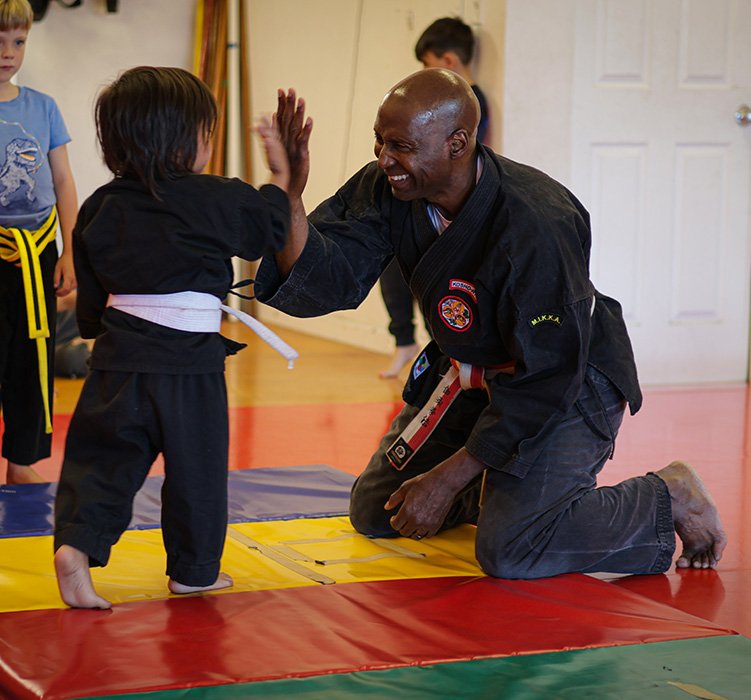
You’ll watch your 5-year-old build genuine friendships as they practice partner drills and learn to work together toward shared goals in karate class. Through bowing, taking turns, and cheering on classmates, your child naturally develops respect for peers while discovering what it means to be part of a supportive community. These early experiences with teamwork and mutual respect create a foundation for confident, kind social interactions both inside and outside the dojo. The dojo serves as a nurturing space where kids meet others with similar interests, fostering lasting friendships that extend beyond the training environment.
Building Respectful Peer Relationships
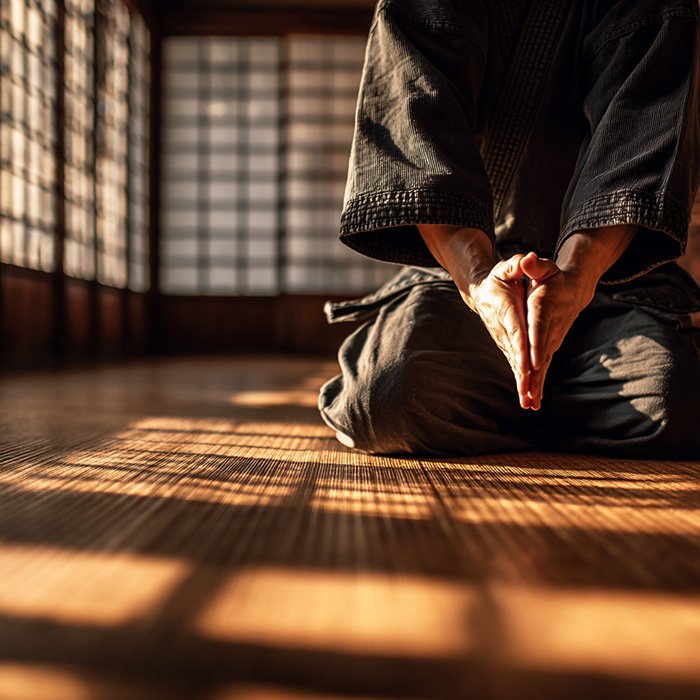
Every child in karate class learns that respect isn’t just a rule—it’s the foundation of meaningful friendships and positive interactions with others. When your child bows at the start of class, they’re practicing humility and consideration for their instructors and peers. These ritualized gestures build genuine appreciation for those around them.
Your child learns to respect personal space and shared equipment, developing awareness of boundaries that extend into everyday life. They discover that courteous behavior creates a safer, kinder dojo environment where everyone feels valued. Through consistent reinforcement, your child strengthens their ability to form genuine connections based on mutual respect. These interpersonal skills translate directly into healthier friendships, reduced bullying, and stronger relationships both inside and outside the classroom. The structured karate environment naturally reinforces positive social habits as children practice respect and discipline alongside their peers in a consistent, predictable setting.
Teamwork Through Partner Practice
While solo practice builds foundational skills, partner drills teach your 5-year-old something equally important: how to work alongside others toward shared goals. During paired exercises, your child learns to communicate effectively, rely on a partner, and problem-solve together. These interactions build confidence as they master techniques collaboratively.
Partner practice gradually pushes your child beyond their comfort zone in a safe, supportive environment. They’ll experience mutual encouragement, which strengthens friendships and reduces social anxiety. Working with different partners teaches empathy—your child begins understanding others’ perspectives and challenges. Group practices in martial arts also encourage collaboration through structured drills that emphasize shared goals and camaraderie.
Through consistent pairing, your 5-year-old develops patience and self-discipline while practicing respectful conduct. These skills translate directly into positive social behaviors outside the dojo, creating a foundation for healthy peer relationships throughout childhood.
Community Support and Camaraderie
Beyond the one-on-one growth that partner drills foster, karate classes create a vibrant community where your 5-year-old develops deeper social connections. The dojo becomes a safe haven where children feel genuinely supported and valued by instructors and peers alike.
Your child learns that everyone shares similar goals and challenges, fostering mutual respect and kindness. Regular interaction with classmates helps them build lasting friendships that extend beyond the mat. They experience what it means to belong to a community centered on encouragement rather than competition. This structured, productive interaction with peers provides instant feedback that helps children quickly understand social expectations and adjust their behavior accordingly.
This inclusive atmosphere is particularly valuable for children struggling socially. Your 5-year-old discovers that they’re accepted for who they are, reducing anxiety and building confidence. Through shared accomplishments and group activities, they develop a strong social network that supports their emotional well-being and social growth.
Cultivating Discipline and Cognitive Growth
Karate classes don’t just teach your 5-year-old to throw a punch—they’re systematically building the brain’s command center. Through structured routines and rule-based practice, your child develops self-control and inhibition that extend far beyond the mat. Each class reinforces delayed gratification and respect, strengthening the cognitive skills that underpin better behavior and academic performance.
The repeated physical and mental challenges in karate engage multiple brain systems simultaneously. Your child learns complex sequences, adapts to dynamic situations, and makes split-second decisions—all of which accelerate brain development and enhance working memory. Research shows that martial arts training may improve executive functions, particularly self-control and inhibition, which are foundational for academic and social success.
This multimodal learning environment cultivates genuine discipline. Your 5-year-old doesn’t just follow instructions; they internalize motivation to master progressively challenging skills, building confidence and self-regulation that translates into improved social interactions and classroom success.
Learning Essential Self-Defense Techniques
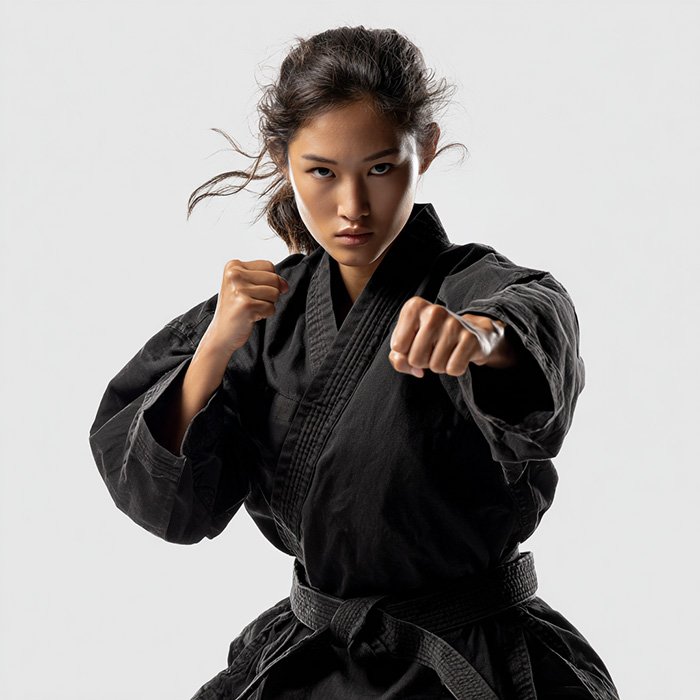
As your child progresses in karate, they’re learning practical skills that build genuine confidence and awareness. They’ll master fundamental techniques like proper stances, basic punches, and simple blocking moves that protect vital areas. These movements develop strength, coordination, and muscle memory through repetitive drilling.
Your child will practice partner drills that teach them to respond defensively against resistance. They’ll learn how to break free from common holds using leverage and wrist rotation. Escape drills emphasize running away quickly and identifying safe routes.
Beyond physical techniques, they’re developing an assertive voice, learning to say “Stop!” confidently. They’re building spatial awareness to maintain distance from potential threats. This structured training also instills discipline and focus that children can apply to everyday situations beyond self-defense. This combination of physical skills and mental readiness creates a foundation for genuine self-protection and personal safety.
Understanding Injury Prevention and Safety Measures
While your child’s growing confidence in karate is exciting, safety remains the foundation of effective training. You’ll want to ensure your five-year-old wears properly fitting protective gear—headgear with face protection, gloves, and mouthguards—during all sparring activities.
Quality instruction makes all the difference. Your child’s instructor should emphasize controlled technique and emotional discipline, teaching strikes that stop just short of contact. This builds skill while preventing injuries.
The training environment matters too. Clean, well-maintained mats without gaps or slippery surfaces protect against falls and sprains. Regular mat sanitization reduces skin infections common in martial arts. Your child’s instructor should also reinforce emotional control and discipline throughout every class to ensure safe practice among all students.
Before contact drills begin, your child benefits from dynamic warm-ups that prepare muscles and joints. Your instructor should progress your child gradually, ensuring physical and emotional readiness before introducing contact training. This phased approach builds confidence while minimizing injury risk.
Choosing the Right Karate Program for Your Child
Finding the right program for your five-year-old goes beyond simply locating a nearby dojo—you’ll want to evaluate whether the school’s curriculum, instructor qualifications, and class structure genuinely support your child’s developmental needs and safety.
Phttps://blog.jamesmartialartsacademy.com/wp-content/uploads/2024/06/woman-traveling-in-france-2023-11-27-05-16-47-utc_Easy-Resize.com_.jpgritize instructors with experience teaching young children who adapt lessons to developmental levels. Verify they emphasize positive reinforcement, constructive feedback, and non-violent conflict resolution. Small class sizes ensure proper supervision and age-appropriate activities that reduce injury risk.
Review the curriculum to confirm it focuses on fundamental skills like balance, coordination, and basic stances rather than advanced techniques. Check whether classes maintain year-round consistency, supporting continuous skill development and discipline-building. A strong program should foster continuous learning and improvement, encouraging young students to progress through structured ranks while maintaining engagement with new techniques and skills.
Observe a class firsthand. Watch how instructors manage group dynamics, incorporate game-like warm-ups, and progressively develop fundamental movements. Your child’s comfort and engagement matter significantly.
What to Expect During Your Child’s First Class
Your child’s first karate class will kick off with a dynamic warm-up designed to energize their body and mind. The instructor will guide them through fun, engaging movements that improve balance, flexibility, and coordination while preparing their muscles for activity.
Next, you’ll see basic technique instruction. The instructor breaks down simple stances, punches, and kicks into easy-to-understand steps, demonstrating each movement clearly. Your child practices alongside peers in small groups, which encourages learning and builds confidence.
Throughout class, expect emphasis on classroom etiquette—bowing, listening respectfully, and following commands. The instructor uses positive reinforcement to recognize progress and build self-esteem. The environment phttps://blog.jamesmartialartsacademy.com/wp-content/uploads/2024/06/woman-traveling-in-france-2023-11-27-05-16-47-utc_Easy-Resize.com_.jpgritizes safety, fun, and foundational skills over intense physical demands, ensuring your 5-year-old develops strength, focus, and discipline at an appropriate pace.
Supporting Your Child’s Progress and Development
As your 5-year-old progresses through karate training, you’ll notice remarkable improvements across multiple areas of their development. Monitor their physical gains—enhanced balance, coordination, and strength—which emerge quickly with consistent practice. You’ll likely observe cognitive benefits too, including sharper concentration and faster reaction times that translate directly to classroom performance.
Emotionally, watch for increased confidence and reduced anxiety as your child masters new techniques. Encourage them by celebrating progress against their previous benchmarks rather than comparing them to peers. This approach reinforces self-regulation and resilience.
Support their journey by attending classes regularly and praising their effort and discipline. Ask your instructor about their specific observations regarding your child’s listening skills and emotional growth. Your involvement amplifies the positive impacts karate provides.
Conclusion
You’re giving your 5-year-old an incredible foundation when you enroll them in karate. They’ll develop stronger bodies, sharper minds, and genuine confidence that’ll carry into everything they do. You’re teaching them discipline, respect, and how to protect themselves safely. Most importantly, you’re showing them they’re capable of amazing things. With your support and a quality program, your child will thrive both on and off the mat.