Teen Martial Arts in El Cajon
You’ll build genuine strength and confidence through teen martial arts in El Cajon by mastering striking, kicking, and grappling techniques that develop cardiovascular fitness and lean muscle. You’ll gain real-world self-defense skills through situational awareness training, de-escalation tactics, and tactical conditioning. You’ll also strengthen mental toughness via structured sparring, controlled breathing, and emotional regulation under pressure. Local programs transform physical training into measurable capability and lasting resilience that extends far beyond the dojo floor.
Building Strength and Confidence Through Martial Arts Training
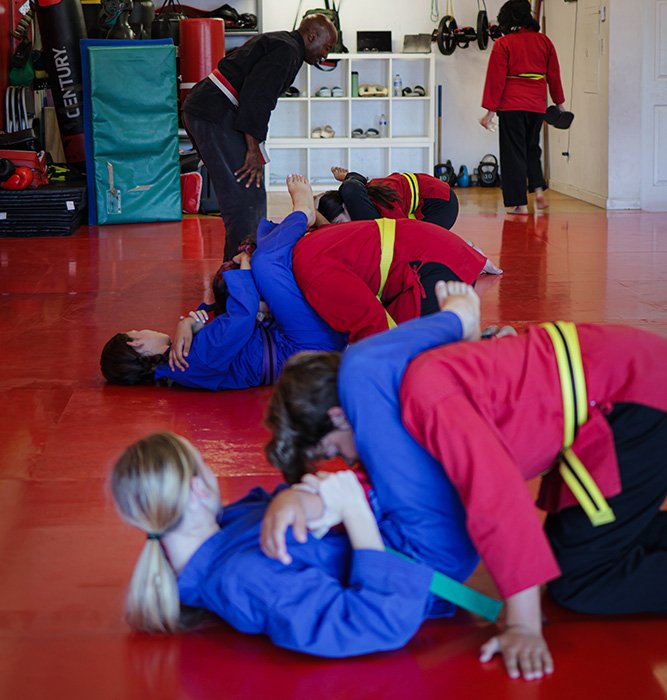
When you step into a martial arts dojo in El Cajon, you’re engaging in training that transforms your body through systematic physical conditioning. You’ll develop overall strength, endurance, and flexibility through full-body movements that incorporate striking, kicking, and grappling techniques. High-intensity drills elevate your cardiovascular capacity while building lean muscle mass and core stability.
As you progress through belt ranks, you’ll experience tangible accomplishment that fortifies your self-worth. Mastering complex techniques demonstrates your capability, translating into personal safety confidence and assertiveness beyond the dojo. You’ll recognize your physical improvements alongside your mental fortitude, creating genuine self-esteem rooted in earned achievement rather than empty praise. This confidence extends into academics and social interactions, fundamentally reshaping how you perceive yourself and navigate challenges. Through consistent training, you develop emotional control that helps you manage stress and stay composed during difficult situations.
Diverse Martial Arts Disciplines Available for Teen Students
El Cajon’s martial arts studios offer you a comprehensive range of disciplines, each with distinct techniques and philosophies that cater to different learning styles and personal objectives. You’ll find traditional striking arts like Karate and Taekwondo, which emphasize precise technique and cardiovascular development. If you’re drawn to ground fighting, Brazilian Jiu-Jitsu teaches leverage-based grappling. You can explore hybrid systems such as Kajukenbo, which combine multiple disciplines for practical self-defense. Modern combat sports, including MMA, Muay Thai, Boxing, and Wrestling, provide dynamic, high-intensity training. For those seeking internal focus, Kosho-Ryu offers fluid, energy-centered movements. Judo develops throw and takedown proficiency. Each discipline cultivates physical conditioning, mental resilience, and strategic thinking tailored to your specific interests and goals. Beyond the physical techniques, these programs emphasize character growth and leadership development that prepare teens for high school readiness and personal success.
How Real-World Self-Defense Skills Protect Young People
You’ll develop situational awareness skills that train your mind to identify potential threats before they escalate, allowing you to position yourself strategically and avoid dangerous situations altogether. Through de-escalation techniques, you’ll learn to read body language, use calm communication, and defuse tension through verbal and nonverbal cues rather than engaging in physical contact. When escape becomes necessary, your training equips you with the tactical knowledge and physical conditioning to disengage safely and reach help. Research from school-based intervention programs demonstrates that empowerment-based pedagogy covering violence awareness and assertiveness significantly enhances young people’s ability to recognize and respond to threatening situations.
Situational Awareness and Prevention
A fundamental principle of self-defense, situational awareness trains teens to scan their environment, identify potential threats before they escalate, and make informed decisions that keep them safe. You’ll learn to recognize warning signs—unusual behavior, visible safety threats, contextual clues—that signal danger early.
Through martial arts training, you develop heightened alertness and the mental discipline to process threats rationally. This skill set dramatically reduces your vulnerability to assault and kidnapping. You’ll practice simulated real-world scenahttps://blog.jamesmartialartsacademy.com/wp-content/uploads/2024/06/woman-traveling-in-france-2023-11-27-05-16-47-utc_Easy-Resize.com_.jpgs to build the cognitive resilience needed to stay calm under pressure. Research shows that 60% of women report feeling safer after learning self-defense techniques, demonstrating the profound confidence boost that comes from proper training.
When you combine environmental awareness with physical readiness, you project confidence and preparedness that deters potential attackers. You’re not just learning defensive techniques; you’re cultivating the preventive mindset that keeps you out of dangerous situations entirely.
De-escalation and Safe Escape
While physical techniques form the foundation of martial arts training, the true mastery of self-defense lies in preventing violence before it starts. You’ll learn de-escalation strategies through controlled verbal communication and active listening, and you’ll understand the emotions driving potential aggression. Your instructors teach you to maintain a non-threatening body language and tone, reducing the risk of provocation. You’ll practice face-saving exit strategies, allowing aggressors to retreat without losing dignity—a critical skill that minimizes the likelihood of violence. When physical engagement becomes unavoidable, you’ll execute safe escape maneuvers that phttps://blog.jamesmartialartsacademy.com/wp-content/uploads/2024/06/woman-traveling-in-france-2023-11-27-05-16-47-utc_Easy-Resize.com_.jpgritize disengagement over escalation. You’ll develop spatial awareness to maintain protective distance and recognize threat cues early. These combined skills develop emotional regulation, which is fundamental to controlling impulse responses and choosing de-escalation over aggression in high-stress confrontations. These combined skills empower you to navigate dangerous situations confidently, removing yourself quickly and safely.
Developing Mental Toughness and Emotional Resilience
One of martial arts’ most transformative benefits isn’t found in flashy kicks or perfect forms—it’s built through consistent exposure to controlled adversity that conditions both mind and body to perform under stress. You’ll develop mental toughness by repeatedly practicing techniques under fatigue, training your nervous system to remain functional when discomfort intensifies. Structured sparring simulates high-pressure scenahttps://blog.jamesmartialartsacademy.com/wp-content/uploads/2024/06/woman-traveling-in-france-2023-11-27-05-16-47-utc_Easy-Resize.com_.jpgs, normalizing challenge as part of growth. Belt progressions provide incremental goals that reinforce your belief in improvement through effort. You’ll learn emotional regulation through controlled breathing, composure during intensity, and measured responses under pressure. This systematic approach to failure—viewing setbacks as feedback rather than personal shortcomings—fundamentally shifts how you approach academic and social obstacles, fostering resilience that extends far beyond the training mat. When you embrace this mindset of viewing setbacks as opportunities for learning, you transform adversity into a catalyst for personal development rather than a source of discouragement.
Leading Local Martial Arts Schools Serving El Cajon Teens
Because you’re ready to translate mental toughness into real-world training, El Cajon’s established martial arts schools provide the structured environments and qualified instruction you’ll need. James Martial Arts Academy specializes in Kajukenbo and Kosho-Ryu, emphasizing practical self-defense since 2010. Aspire Martial Arts, led by Johnnie Morris (5th Degree Black Belt), offers comprehensive programs with free introductory lessons. White Dragon Martial Arts brings nearly 40 years of experience blending traditional disciplines with holistic development. Trilogy MMA Gym delivers specialized Brazilian Jiu-Jitsu and MMA training through military and law enforcement-trained black belts. Each school maintains age-appropriate curricula, quality facilities, and community-focused instruction. You’ll find trial classes and flexible enrollment options across these reputable institutions serving East County families. James Martial Arts Academy has demonstrated proven results for ages 3-17 with convenient weekly class times designed to fit busy schedules.
Character Development and Leadership in the Classroom
Beyond physical technique, martial arts training fundamentally reshapes how teens regulate their emotions and manage stress—skills that directly translate to classroom success. You’ll develop enhanced focus and concentration that improve academic performance and problem-solving abilities. The structured progression system motivates you to sustain commitment through clear goals and recognition milestones.
In the classroom, you’ll apply respect for authority figures and peers, integral to productive learning environments. Assertion skills enable you to express yourself confidently while maintaining controlled behavior. Introspection cultivated through training helps you reflect on decisions and actions, fostering personal growth. Research confirms that prosocial behavior among youth significantly improves through martial arts practice, enabling you to cooperate more effectively with classmates and contribute positively to group dynamics.
Martial arts mentorship models ethical leadership, guiding you to act responsibly within group settings. You’ll practice leading peers during training sessions, building confidence in leadership roles while developing strategic thinking and emotional control essential for conflict resolution.
Creating Positive Peer Connections and Mentorship Bonds
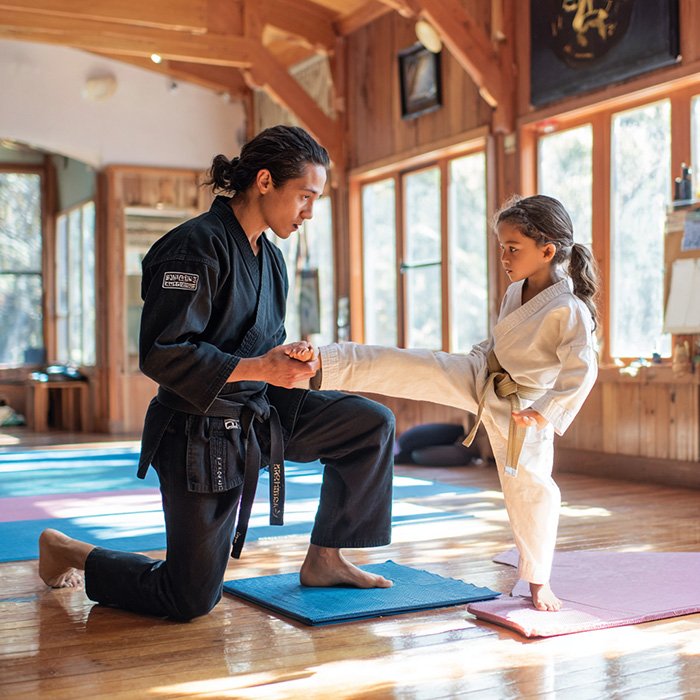
As you progress through martial arts training in El Cajon, you’ll recognize that the dojo functions as more than a facility for physical conditioning—it’s a structured environment where peer relationships develop through shared challenge and mutual support. Your instructors model discipline and respect, serving as mentors who frame setbacks as learning opportunities. Senior students guide younger practitioners, creating mentorship chains that build confidence and trust. Partner drills teach you conflict resolution and respectful communication, while group training emphasizes collaboration over competition. Team demonstrations foster collective pride and unity. These interactions develop your emotional intelligence and transfer social skills to school and community settings. The mentorship network you’re embedded in provides consistent encouragement, building resilience against negative peer pressure while strengthening genuine connections. Through regular participation in this supportive community, you develop emotional maturity that extends beyond the dojo into your academic and personal relationships.
Structured Training Programs That Support Academic Success
You’ll develop mental focus and discipline through structured drills that demand precise execution and sustained concentration. You’ll build confidence by progressing through belt rankings and mastering techniques, each achievement reinforcing your capability. You’ll master time management by balancing training schedules with academic responsibilities, creating habits that transfer directly to your classroom performance. These structured training methods directly enhance cognitive skills that support better grades and improved academic behavior in core subjects.
Mental Focus and Discipline
Martial arts training builds the cognitive and behavioral foundations that students need to excel academically. You’ll develop sustained concentration through complex physical and mental tasks, directly transferring focus skills to classroom learning. Regular practice sharpens your attention span while reducing distractibility, enabling consistent homework completion and academic engagement.
Discipline emerges as training’s cornerstone—you’ll establish consistent routines, adhere to structured protocols, and cultivate self-control that combats impulsive behaviors. These habits strengthen your internal standards for decision-making and responsibility. You’ll master delayed gratification and perseverance, essential for tackling demanding coursework.
Enhanced self-regulation translates into improved classroom conduct and better peer interactions. You’ll develop supehttps://blog.jamesmartialartsacademy.com/wp-content/uploads/2024/06/woman-traveling-in-france-2023-11-27-05-16-47-utc_Easy-Resize.com_.jpgr time management and organizational skills, effectively handling academic workloads. The mental composure you build creates optimal conditions for learning and academic performance.
Building Confidence Through Achievement
Achievement isn’t abstract—it’s the tangible foundation upon which lasting confidence is built. When you train in martial arts, you’ll progress through structured belt rankings that provide measurable milestones validating your effort. Each promotion demonstrates concrete advancement, reinforcing resilience and a positive mindset toward challenges.
You’ll develop discipline and time management skills through progressive curricula designed around incremental achievement. Preparing for belt tests trains you to set goals, pursue them systematically, and attain them—skills that directly transfer to academic performance. This goal-oriented framework builds self-acceptance and optimism as you recognize your capability to succeed.
Within your martial arts community, peer recognition and positive social integration strengthen assertiveness and confidence. You’ll internalize that dedication produces results, establishing a foundation for academic motivation and life success.
Time Management and Balance
While building confidence through achievement establishes your foundation for success, structured martial arts training simultaneously develops the time management skills that keep academic performance on track.
You’ll adhere to consistent practice schedules, which disciplines your time management outside the dojo. Belt-ranking systems provide concrete milestones, teaching you to phttps://blog.jamesmartialartsacademy.com/wp-content/uploads/2024/06/woman-traveling-in-france-2023-11-27-05-16-47-utc_Easy-Resize.com_.jpgritize tasks and plan incrementally toward larger goals. This framework translates directly to academic responsibilities—you’ll balance martial arts commitments with homework and study sessions more effectively.
Training cultivates perseverance and delayed gratification, essential traits for managing competing demands. Routine-building habits from regular sessions enhance your study efficiency, while goal-setting lessons help you allocate resources strategically. These discipline-driven practices create sustainable time management that supports both martial arts progression and academic excellence in El Cajon.
Convenient Locations and Accessibility Across East County San Diego
Since East County San Diego spans multiple neighborhoods, you’ll find martial arts academies strategically positioned to reduce travel time and inconvenience for families. James Martial Arts Academy operates at 2356 Fletcher Parkway in El Cajon, situated in a plaza with Dollar Tree for easy identification. Aspire Martial Arts locates at 2990 Jamacha Road #180, while White Dragon Martial Arts occupies 1331 N Cuyamaca St., Suite A. These facilities serve La Mesa, Santee, Rancho San Diego, Spring Valley, and surrounding areas. Most academies position themselves near major roads and public transportation hubs, with convenient parking and accessible building entrances. Commercial plaza locations facilitate straightforward drop-off and pick-up logistics, streamlining your scheduling responsibilities while maintaining quality instruction.
Proven Results: Family Testimonials and Community Impact
When you enroll your teen at a martial arts academy in El Cajon, you’re investing in measurable behavioral and psychological development. Families consistently report enhanced confidence, discipline, and focus that directly translate to improved academic performance and social skills.
The comprehensive Kajukenbo and Taekwondo curricula emphasize emotional intelligence alongside physical technique, equipping your teen to manage stress and peer pressure effectively. Scenahttps://blog.jamesmartialartsacademy.com/wp-content/uploads/2024/06/woman-traveling-in-france-2023-11-27-05-16-47-utc_Easy-Resize.com_.jpg-based training develops practical self-defense capabilities while teaching conflict de-escalation—reducing aggression tendencies rather than promoting them.
Since 2010, El Cajon’s martial arts programs have served hundreds of families, demonstrating tangible community impact. Participants exhibit stronger leadership qualities, improved peer relationships, and reduced behavioral issues. You’ll witness your teen develop assertiveness, situational awareness, and the resilience needed to navigate real-world challenges confidently and safely.
Conclusion
You’ll discover that teen martial arts in El Cajon builds essential life skills beyond physical training. You’re investing in your child’s discipline, confidence, and academic performance through structured programs. You’ll find experienced instructors who develop mental toughness and foster positive peer relationships. You can access convenient locations throughout East County that accommodate your schedule. You’ll see measurable improvements in your teen’s self-defense skills, emotional resilience, and personal growth through proven training methods.