Teen Karate in El Cajon: Transform Your Teen’s Life
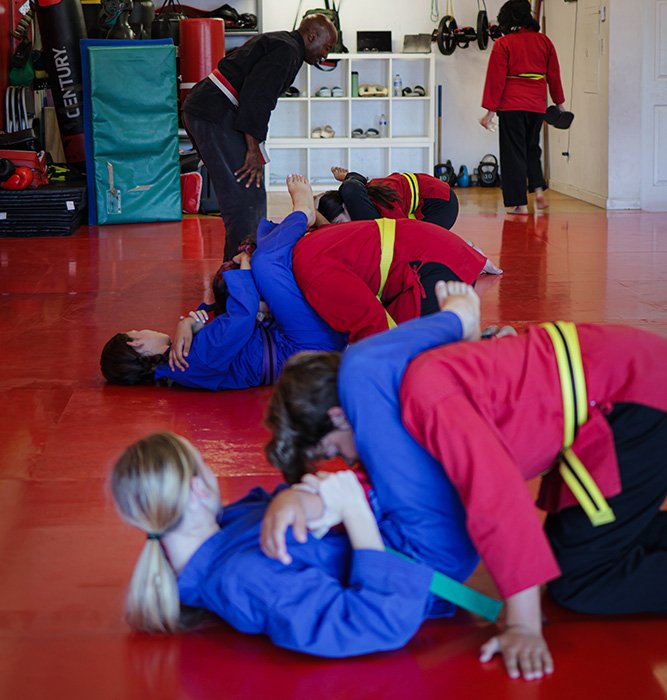
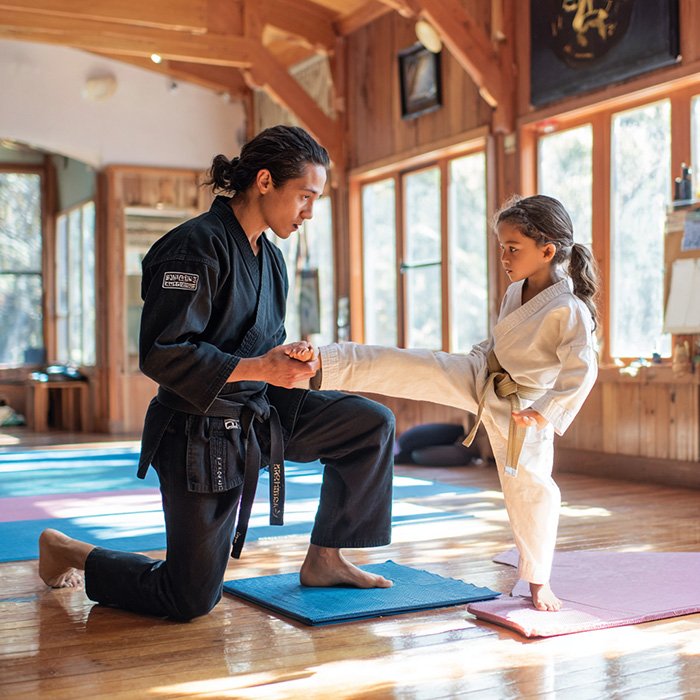
Karate transforms teens in El Cajon by building explosive strength, mental discipline, and unshakable confidence. Your teen will develop laser-like focus that extends to schoolwork, emotional regulation for better stress management, and practical skills to prevent bullying. Classes forge character through structured belt progression while creating lasting friendships in a supportive community. Discover how qualified local instructors create the perfect environment for your teen’s journey toward physical and mental excellence.
Why Martial Arts Is Perfect for Today’s Teens
While today’s teenagers face unprecedented challenges from social media pressures to academic stress, martial arts offers a comprehensive solution that addresses their physical, mental, and social development needs. Your teen will develop explosive power, speed, agility, and endurance while improving their cardiorespiratory fitness.
Beyond physical benefits, martial arts training cultivates crucial mental skills like self-control, discipline, and focus that transfer directly to classroom performance. Research shows martial arts are particularly effective for pain management in adolescents dealing with chronic conditions. You’ll notice your teen managing stress better through mindfulness practices inherent in training. They’ll develop enhanced social skills and reduced aggression, creating positive behavioral patterns that counteract negative influences.
This holistic approach helps teens navigate modern challenges by building resilience, improving cognitive function, and fostering healthier lifestyle choices—exactly what adolescents need during this critical developmental stage.
The Self-Confidence Revolution Through Karate
Your teen’s journey in karate transforms hesitant uncertainty into powerful self-assurance through proven confidence-building mechanisms. Research shows that teens experience remarkable increases in self-confidence scores after just 8 weeks of practice, turning shy beginners into assertive individuals who carry themselves differently.
This newfound confidence extends beyond the dojo into their academic performance, social interactions, and ability to face life’s challenges with resilience. The structured belt progression system provides visible milestones that celebrate achievement and reinforce their growing sense of capability.
Breaking Barriers, Building Self
Teens today face unprecedented challenges that can chip away at their self-confidence during critical developmental years. Karate provides a powerful solution, with proven results in just 8 weeks.
Our El Cajon teens experience remarkable self-confidence transformations, with scores jumping from 111 to nearly 135 after our 8-week program. This isn’t coincidental – the belt progression system creates tangible evidence of growth, while mastering new skills reinforces accomplishment. Martial arts training has been specifically designed to enhance self-esteem and character in participants through disciplined practice.
Your teen’s confidence won’t stay on the mat. They’ll carry this newfound self-assurance into school, relationships, and future challenges. Long-term practitioners show significantly higher self-confidence levels, especially after three years of training.
Even more impressive? These results happen regardless of initial ability, with martial arts particularly effective at building resilience in adolescents who need it most.
Real-World Confidence Applications
The confidence built on our karate mats doesn’t remain confined within the dojo walls; it revolutionizes every aspect of your teen’s life. When your teen masters focused movements in class, they’re simultaneously developing life skills that transfer directly to school, home, and future careers.
Watch as your child applies their newfound concentration to tackle challenging homework assignments. Notice how they manage frustrations with the same poise they use when facing a sparring partner. Research confirms that teens in karate programs show remarkable improvements in self-regulation and classroom conduct. Through regular training sessions, students develop laser-sharp concentration that significantly enhances their problem-solving abilities both in and out of the dojo.
The discipline your teen develops through consistent practice creates a foundation for navigating life’s obstacles with purpose. Each belt advancement doesn’t just mark martial arts progress—it builds an empowered mindset that says, “I can overcome challenges in anything I pursue.”
From Shy to Strong
Walking into our dojo with uncertainty and hesitation, many teens transform into confident, self-assured individuals within just weeks of beginning their karate journey. Our structured eight-week program delivers measurable self-confidence gains through skill mastery and graded progression.
You’ll notice your teen’s transformation as they earn new belts and receive positive feedback. Science backs this up—studies show that just 8-10 weeks of training significantly increases self-confidence in adolescents. The benefits extend beyond the dojo, too.
The confidence revolution happens through multiple channels: physical accomplishment, stress reduction, social validation from peers, and even beneficial hormonal changes during training. As your teen practices twice weekly, they’ll develop the self-efficacy that helps them handle social challenges, reduce stress, and improve emotional regulation in all areas of life.
How El Cajon Dojos Build Focus and Discipline
While many parents struggle with their teenager’s diminishing attention span, El Cajon’s karate dojos have mastered the art of cultivating laser-like focus and unwavering discipline in young practitioners. Through precise kata movements requiring complete concentration, teens learn to tune out distractions and build mindfulness that extends beyond the training floor.
The structured environment creates positive habits through consistent routines, bowing rituals, and deliberate practice. Your teen will develop emotional self-control by channeling energy into purposeful movements and breathing techniques. Students quickly learn that progress comes from patience and persistence—not cutting corners.
Most parents notice remarkable changes within 3-6 months: improved schoolwork focus, better listening skills, and enhanced self-regulation. The belt progression system teaches your teen valuable goal-setting and perseverance as they work toward each new achievement, building patience and resilience that serves them throughout life.
Beyond Kicks: Character Development on the Mat
Your teen won’t just learn to defend themselves at El Cajon’s karate dojos—they’ll develop the mental fortitude to overcome life’s toughest challenges. Through sparring and training, they’ll face pressure situations that build resilience and emotional management skills that transfer to school, relationships, and future careers. The belt system provides regular benchmarks that help teens visualize their progress and stay motivated throughout their martial arts journey.
As your teenager progresses through the ranks, they’ll naturally evolve into a role model who demonstrates patience, perseverance, and positive influence for their peers.
Mental Toughness Matters
True character emerges not when things are easy, but when challenges feel overwhelming. Our karate program builds your teen’s mental toughness through skill-based emotional regulation and resilience training.
Through controlled breathing and mindful movement, your teen will learn to manage acute stress responses. Regular practice of kata strengthens their attention control while reducing rumination. During sparring, they’ll develop tolerance for fear and frustration in a safe environment—skills that transfer directly to real-world stressors. Teens learn that setbacks are part of the journey, which helps them apply this perspective to all areas of their lives.
The belt progression system teaches persistence through measurable goals, helping your teen develop a growth mindset. They’ll learn that setbacks are valuable learning opportunities, not failures. This cultivates delayed gratification skills and builds confidence that extends beyond our dojo into school, relationships, and future challenges.
Your teen deserves these mental toughness advantages. They’re ready to grow stronger.
Leading Through Example
Three powerful forces shape your teen’s development at our El Cajon dojo: what they see, who they emulate, and how they’re guided. Our instructors don’t just teach—they model the calm, controlled responses that transform emotional regulation from concept to reality.
Watch as your teen begins mirroring the respectful bows and “Yes, Sensei” acknowledgments that build character. Studies show teens who observe these respect protocols develop greater self-acceptance and reduced aggression. Research consistently demonstrates that traditional martial arts practice has positive effects on prosocial behavior and personality development among adolescents.
Senior students leading warm-ups demonstrate real accountability while instructors model integrity by upholding dojo standards consistently. This leadership creates a ripple effect—parents regularly report improved behavior at school as teens transfer their newfound composure beyond the mat.
Your teen won’t just learn karate; they’ll absorb life-changing examples of discipline, respect, and self-control.
Bullying Prevention: Equipping Teens With Practical Skills
While bullying continues to affect one in five American students, karate training provides teens with practical defense mechanisms that extend far beyond physical techniques. Research shows karate-based interventions significantly reduce bullying incidents and aggressive behaviors among participants.
The social bonds formed in karate classes create protective networks that extend into school environments. Additionally, the self-regulation and mental discipline developed through kata practice helps teens view bullying situations objectively, responding from strength rather than fear or insecurity. Studies indicate that 75.5% of athletes experience some form of unethical behavior from coaches or fellow practitioners.
Your teen will develop genuine confidence that bullies can detect through transformed body language that signals strength rather than vulnerability. This isn’t just perception—studies confirm teens with higher resilience profiles from martial arts training engage less in aggressive behaviors and experience less victimization.
Physical Transformation: Fitness Benefits for Growing Bodies
Adolescent bodies undergo extraordinary changes, making karate an ideal physical conditioning program that supports healthy development. Your teen will build full-body strength through dynamic punching and kicking sequences that translate into everyday functional power.
They’ll experience remarkable flexibility gains as high kicks and stretching routines enhance their range of motion and joint mobility, reducing injury risks. The high-intensity drills burn approximately 300 calories per 30-minute session, improving cardiovascular health and endurance.
Watch as your teen’s coordination sharpens through complex movements that refine balance, core strength, and reflexes—skills that transfer to other sports and activities. Most importantly, karate’s comprehensive workouts combat sedentary habits, establishing healthy weight management practices that can last a lifetime. Regular karate training also provides an effective outlet for teens to release emotions and develop healthy coping mechanisms for stress.
Finding the Right El Cajon Martial Arts School
Selecting the ideal martial arts school for your teen requires careful research and consideration. Start by reviewing online aggregates and local directories like Mindbody that rank schools based on client feedback. Established programs with documented histories, like James Martial Arts Academy’s 500+ families served since 2010, often indicate stability and quality.
Check instructor credentials carefully—look for clearly stated belt ranks, lineage, and safety certifications. The martial art style matters too; Taekwondo, Brazilian Jiu-Jitsu, and Kajukenbo each develop different skills. Parents particularly appreciate programs that create a warm and welcoming environment where teens feel comfortable learning new skills. Consider whether your teen would benefit more from competition-focused training or practical self-defense emphasis.
Don’t skip the trial class. This hands-on experience lets you evaluate teaching styles, facility cleanliness, and appropriate student-to-instructor ratios before committing.
What to Expect in Your Teen’s First Class
Your teen won’t need special equipment for their first karate class—comfortable athletic clothes and a water bottle are sufficient until you’re ready to invest in a gi (uniform).
While beginners start with the most fundamental stances and techniques, instructors design classes to ensure everyone experiences success regardless of athletic background. The focus will be on learning proper form rather than power or speed, allowing your teen to build confidence before advancing to more complex movements. Progression in karate involves mental discipline as much as physical skill, teaching teens to embrace challenges with a positive mindset.
Gear and Attire
Before stepping onto the dojo mat for the first time, teens need to be equipped with the proper attire and gear for their karate journey. Most El Cajon dojos require a traditional white gi (uniform) that allows unrestricted movement. The jacket should permit full arm extension, while pants should reach the ankles without dragging.
For sparring sessions, you’ll need protective equipment, including a mouthguard, headgear, and appropriate gloves (typically 12-14 oz). Male students should have groin protection, and shin guards are recommended for all participants. Focus mitts are often used during training sessions to help students develop targeted striking practice.
Always bring a water bottle and towel to class, and pack everything in a small gear bag. Remember that outdoor shoes aren’t permitted on mats—bring clean indoor shoes for warm-ups or train barefoot as instructed.
Skill Level Expectations
With the right gear in hand, many parents and teens wonder what actually happens during that first karate class. Your teen’s 60-90 minute session will follow a structured format: warm-up, basics, partner work, and cooldown.
Don’t worry about your teen being thrown into full-contact sparring right away. First classes focus on fundamentals – proper stances, basic punches, elementary blocks, and simple kicks – all with an emphasis on correct form rather than power. Instructors emphasize technique over power, especially during these early stages of training.
Instructors phttps://blog.jamesmartialartsacademy.com/wp-content/uploads/2024/06/woman-traveling-in-france-2023-11-27-05-16-47-utc_Easy-Resize.com_.jpgritize safety, ensuring all jewelry is removed and teaching proper etiquette. Your teen will learn to bow respectfully and follow commands attentively.
The Belt System: Measuring Progress and Achievement
Progress in martial arts follows a structured path that’s immediately visible through the belt system. Your teen will start with a white belt and advance through yellow, orange, green, blue, and brown before reaching the coveted black belt.
Each belt represents not just technical skills, but mental growth and increasing responsibility. Blue belt students take on mentoring responsibilities while demonstrating stability in their techniques. Tests typically occur every 3-8 months, depending on your teen’s dedication and attendance. They’ll demonstrate specific techniques, kata, sparring abilities, and sometimes even teaching capabilities.
Our dojo uses objective assessment tools including skill checklists and quantitative metrics to ensure fair evaluations. The visual progression of belt colors provides your teen with motivating short-term goals while building toward significant long-term achievements—keeping them engaged and committed to their martial arts journey.
Real-World Applications of Martial Arts Training
Your teen will gain practical bullying prevention strategies through karate’s confidence-building and boundary-setting training.
They’ll learn effective self-defense techniques that work in real-world situations without escalating conflict. Karate strengthens mental resilience while teaching students to remain calm under pressure. These skills create a foundation of personal security that extends beyond the dojo into school hallways, social gatherings, and everyday interactions.
Bullying Prevention Techniques
Bullying affects nearly one in five teenagers, but martial arts training offers proven defense strategies that extend far beyond physical techniques. Your teen will develop genuine confidence that bullies instinctively detect and avoid, reducing their likelihood of being targeted.
Karate creates vital social support networks, forming friendships that serve as protective buffers in school settings. When bullies see your child has backing, they typically move on.
The emotional resilience developed through training helps teens deflect verbal attacks like physical ones, while the discipline and empathy they gain decreases aggressive behavior. Martial arts training teaches teens valuable assertiveness skills that help them clearly communicate boundaries without resorting to aggression. Research confirms these benefits, with studies showing significant reductions in both victimization and bullying tendencies among participants.
You’re not just enrolling your teen in classes—you’re providing them with comprehensive bullying protection.
Self-Defense for Teens
Real-world threats can pop up when teens least expect them, making practical self-defense skills an essential life tool. At our El Cajon dojo, your teen doesn’t just learn kicks and punches—they develop comprehensive protection strategies.
Our program builds the physical foundation needed for effective self-defense: strength, flexibility, coordination, and cardiovascular fitness. More importantly, your teen will master situational awareness techniques that help them recognize and avoid potential dangers before confrontation occurs.
Research shows teens with martial arts training are 60-80% less likely to experience assault compared to untrained peers. Through progressive, age-appropriate training with certified instructors, your child will gain practical skills while minimizing injury risk. They’ll learn verbal de-escalation alongside physical techniques, creating a complete self-protection toolkit they can carry for life. This is especially important given that 1 in 5 boys and an even higher percentage of girls experience sexual assault before reaching adulthood.
Parent Perspectives: What Local Families Are Saying
Three consistent themes emerge when speaking with local El Cajon families about their teens’ karate journey: remarkable confidence growth, exceptional instructor quality, and meaningful family benefits.
Parents consistently report shy teens blossoming into assertive individuals who speak up for what’s right. Emily’s transformation from timid to confident is just one success story among many. Many teens achieve academic excellence through the program’s focus on discipline and goal-setting.
Instructor excellence stands out, with Sifu Darryl receiving particular praise as an outstanding role model who provides individualized attention. The cohesive teaching team excels with both children and teens.
Families appreciate the detailed progress updates, flexible scheduling, and affordable pricing. The program’s comprehensive approach develops discipline, fitness, and self-defense skills simultaneously.
You’ll find the positive, safe atmosphere creates a foundation for college, career, and relationship readiness while building integrity and independence.
Balancing Martial Arts With School and Other Activities
Managing the delicate balance between martial arts training and academic responsibilities is a key concern for El Cajon parents and teens alike. Our program addresses this with evidence-backed scheduling strategies.
Short, consistent training sessions (2-3 evenings weekly) create predictable routines that complement academic schedules. Regular karate practice actually improves executive function and cognitive skills that enhance classroom performance. Research demonstrates that karate interventions during physical activities have shown small but significant benefits for academic achievement in children.
We recommend:
- Scheduling fixed karate sessions using shared calendars
- Phttps://blog.jamesmartialartsacademy.com/wp-content/uploads/2024/06/woman-traveling-in-france-2023-11-27-05-16-47-utc_Easy-Resize.com_.jpgritizing homework on school nights
- Using karate’s structured belt progression to develop goal-setting skills
- Adjusting training intensity during exam pehttps://blog.jamesmartialartsacademy.com/wp-content/uploads/2024/06/woman-traveling-in-france-2023-11-27-05-16-47-utc_Easy-Resize.com_.jpgds
Studies show martial arts participation has neutral-to-positive effects on grades when properly managed. The key is consistency rather than sporadic weekend-only sessions, which maximizes both physical benefits and academic performance.
The Instructor Difference: Why Credentials Matter
When selecting a martial arts program for your teen, the instructor’s credentials make a profound difference in both safety and developmental outcomes. Certified instructors have completed first aid/CPR training and youth protection protocols, ensuring they’re prepared for emergencies and understand safeguarding responsibilities.
Look for instructors with verifiable qualifications—black belt certification, membership in recognized associations, and completed background checks. These credentials aren’t just paperwork; they represent extensive training in age-appropriate teaching methods and safe skill progression.
Qualified instructors understand adolescent development, can manage classroom dynamics effectively, and create structured learning environments. They’ve typically completed hundreds of supervised teaching hours before leading classes independently.
These credentials also provide practical benefits: better insurance coverage, transparent policies, and proven teaching methodologies that maximize your teen’s growth in martial arts. The best instructors demonstrate patient teaching skills, adapting their instruction to accommodate varying skill levels while allowing students to progress at their own pace.
Long-Term Benefits: How Karate Skills Transfer to Adulthood
The benefits your teen gains from karate training extend far beyond their adolescent years, creating a foundation for lifelong success. When your child earns their black belt, they’re signaling remarkable dedication to colleges and future employers.
The mental resilience developed through structured training improves emotional control and builds the grit that predicts success better than IQ. Your teen will learn self-defense abilities that provide real-world protection and confidence throughout their life. Your teen will carry improved decision-making under pressure into all aspects of life.
Discipline skills translate directly to better time management and goal achievement in education and careers. They’ll develop a commitment to long-term objectives that serves them throughout adulthood.
Physically, their improved posture, core strength, and mobility will support lifelong health, reducing cardiovascular risks as they maintain these positive habits into adulthood.
Frequently Asked Questions
How Do Martial Arts Schools Handle Teens With Learning Disabilities?
Martial arts schools accommodate teens with learning disabilities through structured routines, multimodal instruction, and task segmentation.
You’ll find schools offering trial classes, flexible scheduling, and personalized behavior plans. They employ positive reinforcement, clear visual demonstrations, and increased instructor support.
Many programs include sensory accommodations and de-escalation procedures when needed. Research shows these adaptations help teens improve attention, executive function, and social skills through consistent practice.
What Safety Protocols Exist for Contact Sparring and Injury Prevention?
Your teen’s safety is our phttps://blog.jamesmartialartsacademy.com/wp-content/uploads/2024/06/woman-traveling-in-france-2023-11-27-05-16-47-utc_Easy-Resize.com_.jpgrity during sparring. We require protective equipment including mouthguards, headgear, and appropriate padding.
Only certified instructors supervise contact activities, implementing a progressive training approach. We enforce strict sparring protocols—pairing by experience and weight, maintaining controlled contact, and respecting partners.
Our injury prevention strategies include proper warm-ups, padded training areas, regular breaks, and comprehensive concussion protocols for immediate assessment if needed.
Are There Tournament or Competition Opportunities for Teens?
Yes! Your teen can compete at multiple levels. Start with quarterly in-house dojo tournaments featuring kata and kumite divisions by age and belt rank.
As they progress, they’ll access regional Southern California competitions with broader divisions and higher recognition. Elite performers can advance to national and international pathways, potentially earning scholarships, medals, and even national team consideration.
Most local events have minimal fees, while higher-level competitions require greater investment.
How Do Dojos Address Cultural Appropriation of Asian Martial Traditions?
Our dojo teaches respectful cultural understanding, emphasizing martial arts as exchange, not appropriation. You’ll learn proper terminology, history, and philosophy behind techniques.
We avoid stereotypical representations and honor traditional practices through authentic training methods. Our instructors regularly update their knowledge through ongoing education with Asian masters.
We celebrate cultural origins while making training accessible and meaningful to all students regardless of background.
What Insurance or Liability Coverage Do El Cajon Martial Arts Schools Provide?
Most El Cajon martial arts schools carry comprehensive insurance including general liability ($1M per occurrence), participant accident medical ($25K-$150K with $100-$250 deductibles), and professional liability coverage.
You’ll typically find schools maintain property and equipment protection, while many offer optional coverage for special events like tournaments.
Before enrolling your teen, you can request to see their certificate of insurance and signed waivers will be required.
Conclusion
You’ve seen how our El Cajon karate programs transform teens from the inside out. Don’t wait to give your teenager these life-changing benefits of confidence, discipline, and character. You’re making more than a recreational choice—you’re investing in their future success. When they step onto our mats, they’re developing skills they’ll use for life. Take the first step today.