Teen Martial Arts Near Me
When you’re searching for teen martial arts programs nearby, you’ll find studios offering disciplines like Taekwondo, Karate, and Brazilian Jiu-Jitsu that develop your teen’s executive functions, cardiovascular fitness, and interpersonal effectiveness simultaneously. These structured environments use belt ranking systems to build measurable confidence while teaching controlled aggression expression and adaptive coping mechanisms.
Your teen will gain physical conditioning, self-defense capabilities, and leadership skills through partner drills and traditional protocols. The comprehensive benefits extend far beyond the dojo into academic performance and lifelong health consciousness.
How Martial Arts Training Transforms Teen Mental Health
When adolescents step onto the training mat, they’re not just learning physical techniques—they’re rewiring their brains for enhanced cognitive performance and emotional resilience. Martial arts training activates critical executive functions, strengthening your teen’s cognitive flexibility, multitasking ability, and processing speed under high-demand conditions. Hormonal responses during sessions—specifically oxytocin reactivity—directly predict improvements in processing capacity while reducing aggressive tendencies.
Cortisol reactivity correlates with measurable self-esteem increases. You’ll observe enhanced inhibition and shifting capacities, foundational skills for mental health resilience. This group-based intervention alleviates stress through disciplined emotional regulation and controlled expression of aggression. Sequential mediation models confirm that stress relief triggers increased positive emotions, expanding cognitive-emotional capacities according to Broaden-and-Build Theory. Your teen develops adaptive coping mechanisms essential for navigating academic pressures and social challenges effectively. The training environment emphasizes complex movements and respect, core elements that distinguish martial arts from conventional athletic programs and contribute to character development.
Building Physical Fitness Through Martial Arts Disciplines
Every martial arts session delivers a comprehensive physiological training stimulus that transforms your teen’s physical capacity across multiple fitness domains simultaneously. Full-body movements enhance muscular endurance and strength while dynamic stretching protocols develop flexibility. Complex motor sequences improve coordination and balance through progressive skill acquisition.
High-intensity aerobic and anaerobic activities strengthen cardiovascular function, increasing VO2 max and oxygen utilization efficiency. Interval training embedded in sparring sessions elevates stamina and supports healthy weight management. Reaction-based drills sharpen reflexes and hand-eye coordination, reducing injury risk across all athletic endeavors.
Belt ranking systems provide structured milestones that drive continuous physical progression. Each grading challenge pushes physiological limits, reinforcing goal-setting behaviors and self-discipline. This consistent training framework cultivates comprehensive fitness habits and long-term health consciousness that extends beyond the dojo. Teens also acquire practical self-defense skills that provide both physical capability and mental preparedness in real-world situations.
Social Skills Development in the Dojo
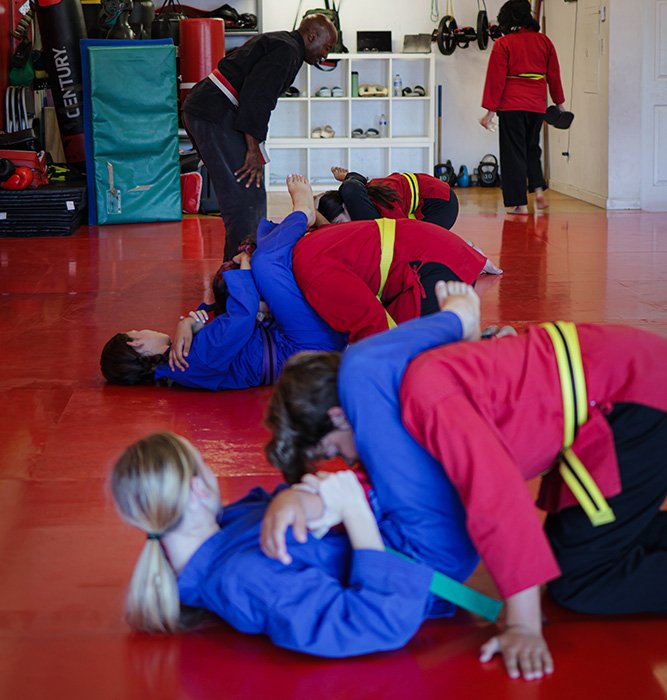
Beyond physical transformation, martial arts training creates a powerful framework for developing your teen’s social competencies through structured peer interaction and collaborative practice. The dojo environment emphasizes face-to-face communication through partner drills, which require verbal coordination and nonverbal awareness, strengthening interpersonal effectiveness.
Your teen will internalize respect through traditional protocols—bowing, expressing gratitude, and honoring training partners. These ritualized behaviors become habitual social skills transferable to school and community settings.
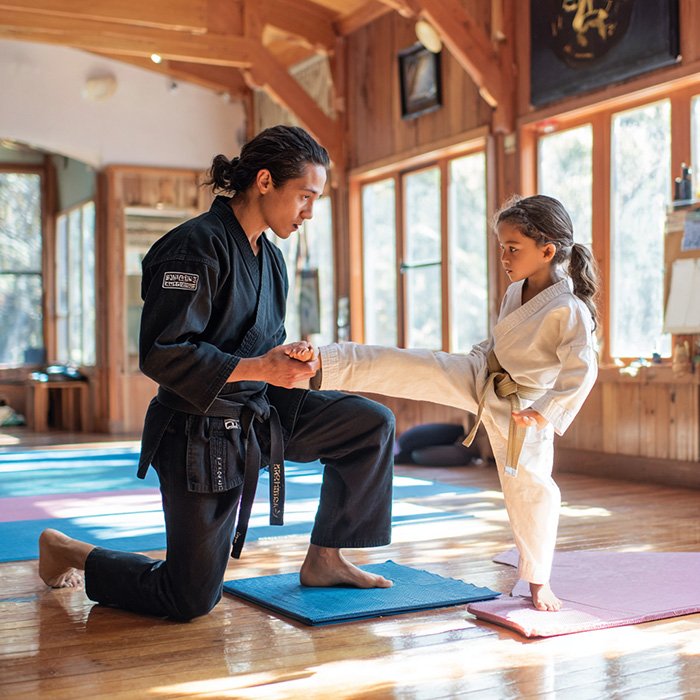
Advanced students develop leadership capabilities by mentoring newer practitioners, demonstrating techniques, and modeling discipline. This responsibility builds confidence that extends beyond the dojo.
Partner exercises cultivate teamwork, trust, and empathy as students provide feedback and support each other’s progress. Collaborative achievement strengthens group cohesion while developing emotional intelligence essential for effective conflict resolution and healthy relationships. The dojo provides a unique social environment where teens can build friendships with peers who share similar interests and goals.
The Path to Confidence: Belt Systems and Achievement
As your teen steps onto the mat for their first class, they’ll encounter one of martial arts’ most powerful motivational structures: the belt system. Each colored belt represents measurable progress, from white belt fundamentals to black belt mastery. Your teen will advance through yellow, green, and brown belts, mastering increasingly complex techniques at each stage.
This progression builds confidence through tangible achievement recognition. Early belts establish physical conditioning and basic self-defense, while advanced belts demand technical precision and mental discipline. Stripes within belts mark incremental milestones, maintaining momentum between promotions. Blue belt symbolizes stability as students demonstrate consistency in their techniques and often begin taking on mentoring responsibilities.
The psychological impact proves transformative—each earned belt provides concrete proof of competence. Testing cultivates resilience, patience, and goal-setting abilities. At higher levels, your teen assumes leadership roles, mentoring newer students and developing self-assurance that extends beyond the dojo.
Why Girls Thrive in Martial Arts Programs
While belt advancement creates powerful growth opportunities for all students, martial arts programs deliver particularly transformative results for teenage girls. You’ll develop psychological resilience through controlled stress exposure, building higher challenge responses and emotional regulation. The training systematically reduces impulsivity and aggressive behavior while strengthening focus and self-control. You’ll experience measurable gains in cardiovascular endurance, explosive power, and coordination—critical components for athletic development. The coeducational environment breaks gender stereotypes, fostering courage and capability beyond the dojo. You’ll form supportive peer networks and mentorship relationships within the martial arts community. Most significantly, self-defense techniques provide practical empowerment and enhanced personal safety awareness. Combined with endorphin release during training, these elements create comprehensive benefits: improved mental health, elevated self-worth, and character formation that extends into academic performance and social interactions. Girls who participate in sports are more likely to graduate and earn better grades in school than their non-athletic peers.
Reducing Risky Behaviors Through Structured Training
The structured environment of martial arts training creates a powerful deterrent against aggressive and antisocial behaviors, with research demonstrating a statistically significant medium effect (0.65) in reducing teen aggression, including bullying, theft, and vandalism. You’ll develop psychological grit and enhanced self-control that directly counteract impulsive tendencies toward binge drinking and substance abuse—behaviors frequently linked to criminal activity. The commitment required for rank advancement, like earning a Brazilian Jiu-Jitsu Black Belt (averaging 10 years), restricts available time for risky, criminal-prone activities. Programs as brief as 10 weeks show measurable improvements in delinquent behavior. Training enhances self-esteem and emotional stability, creating a foundation for better decision-making in high-pressure situations. If your teen struggles with traditional psychological interventions, martial arts provides an alternative engagement method that builds discipline while simultaneously reducing long-term offending risks through structured, goal-oriented training protocols.
Academic Performance Boosts From Martial Arts Practice
Martial arts training fundamentally rewires your teen’s brain for academic success through measurable neurological adaptations. Aerobic martial arts sessions enlarge the hippocampus, directly enhancing relational memory essential for retaining academic information. Your teen’s executive function improves through repetitive technique memorization, strengthening working memory and rapid recall abilities crucial for exam performance.
Sparring drills develop creative problem-solving skills by forcing real-time strategic adaptation. The structured training environment cultivates sustained attention and discipline, translating directly into improved study habits and classroom engagement. Self-control mechanisms developed through martial arts practice reduce impulsive behaviors, enabling deeper academic focus. For hyperactive students, martial arts provides a high-intensity outlet that channels excess energy productively, resulting in improved concentration during academic tasks.
As your teen progresses through belt ranks, earned achievements build self-efficacy that extends into challenging academic subjects. This confidence reduces test anxiety while the physical stress release enhances mental clarity, creating optimal conditions for learning and retention.
Finding the Right Martial Arts Style for Your Teen
Choosing your teen’s martial art requires matching their unique temperament and goals with specific training methodologies. High-energy teens thrive in fast-paced disciplines like Kung Fu or Taekwondo, which channel hyperactivity into rigorous kicking techniques and cardiovascular conditioning. Calmer personalities benefit from Karate’s emphasis on mental discipline and controlled striking patterns. Evaluate contact levels carefully—Brazilian Jiu-Jitsu offers strategic grappling without strikes, while Muay Thai demands protective equipment for full-contact sparring sessions. Consider your teen’s physical development objectives: BJJ develops problem-solving through submissions, Taekwondo enhances leg power and flexibility, and Karate balances striking precision with spiritual growth. Tai Chi’s slow repetitive movements offer an excellent alternative for teens needing to improve hand-eye coordination and motor skills through deliberate, focused practice. Research local schools thoroughly, phttps://blog.jamesmartialartsacademy.com/wp-content/uploads/2024/06/woman-traveling-in-france-2023-11-27-05-16-47-utc_Easy-Resize.com_.jpgritizing qualified instructors who create age-appropriate learning environments. Belt systems in Karate and Taekwondo provide measurable progression milestones that maintain teen motivation throughout their martial arts journey.
What Research Reveals About Teen Martial Artists
Research demonstrates that teen martial artists experience measurable reductions in aggressive behavior, depression, and anxiety symptoms compared to non-participating peers. You’ll find that structured training correlates with lower rates of delinquent conduct and decreased substance abuse risk through enhanced self-regulation and disciplined routine. Martial arts training develops increased self-control that significantly reduces bullying behavior among youth participants. These evidence-based outcomes prove martial arts participation actively strengthens your teen’s mental resilience while steering them away from high-risk behaviors.
Proven Mental Health Improvements
The physiological mechanisms are clear—training reduces cortisol while elevating endorphins, dopamine, and serotonin levels. Your teen’s neurotransmitter balance directly impacts emotional stability and mood regulation.
Research demonstrates that martial arts interventions enhance prosocial conduct and classroom performance, indicating broad-spectrum resilience benefits. Notably, aggression levels remain neutral or slightly improved, debunking concerns about combat training increasing hostility.
For teens with disabilities, programs show particularly strong outcomes in social skills development and stress regulation, making martial arts an evidence-based therapeutic intervention. The structured routine of consistent training schedules provides predictable sequences that counteract the chaos many teens experience in their daily lives.
Lower Delinquency and Substance Abuse
Beyond emotional wellness, martial arts training delivers measurable protective effects against delinquent behavior and substance abuse—critical concerns for parents navigating your teen’s development. Controlled intervention studies demonstrate that traditional martial arts courses reduce violent tendencies and improve impulsivity control in high-risk juveniles. You’ll find that programs as brief as 10 weeks show significant reductions in delinquent behavior, with improvements persisting months post-training. The discipline cultivates grit—a psychological resource that directly curbs impulsive behaviors like binge-drinking and drug experimentation. Martial arts provide structured social environments that compete with gang affiliation, offering your teen alternative pathways away from criminal trajectories. Research confirms that longer participation correlates with lower aggression and hostility scores, positioning martial arts as evidence-based crime prevention for at-risk adolescents.
Creating Lifelong Habits Through Youth Martial Arts
When children step onto the mat for their first martial arts class, they’re beginning a transformative journey that extends far beyond physical techniques and belt rankings. Through structured training, you’ll watch your teen develop goal-setting capabilities and persistence—foundational skills that translate directly to professional success. The discipline required to master complex katas and sparring combinations builds delayed gratification tolerance, teaching students that meaningful achievement requires consistent effort over time.
This commitment to regular physical activity establishes patterns that support lifelong fitness maintenance. Your teen internalizes the connection between disciplined practice and measurable results, creating neural pathways that reinforce positive behavior loops. The dojo becomes a laboratory for character development, where repeated exposure to challenges builds resilience frameworks they’ll utilize throughout adulthood in careers, relationships, and personal wellness pursuits.
Conclusion
You’ve discovered how martial arts training develops your teen’s mind, body, and character through systematic belt progression, dojo discipline, and proven techniques. Now it’s time to take action. Research local dojos, schedule trial classes, and let your teen experience the transformative power of martial arts firsthand. Don’t delay—every training session builds essential life skills, strengthens physical conditioning, and reinforces mental resilience. Start your teen’s martial arts journey today and watch them achieve their full potential.