Martial Arts for 10 12-Year-Old Children
You’ll build real strength through full-body exercises like push-ups, squats, and grappling while developing emotional resilience that sticks with you. Martial arts teaches you respect, discipline, and self-confidence as you earn belts and master new techniques. You’ll sharpen your focus, improve coordination, and learn practical self-defense skills in a supportive community. Best of all, you’ll discover how consistent effort transforms you into a stronger, more capable version of yourself—and there’s much more to explore about your martial arts journey.
Building Physical Strength and Athletic Performance
When you step into a martial arts class, you’re embarking on a journey that’ll transform your body in exciting ways. You’ll engage in full-body strength-building exercises that work multiple muscle groups simultaneously. Through bodyweight movements like push-ups, squats, lunges, and planks, you’ll develop real strength without needing weights.
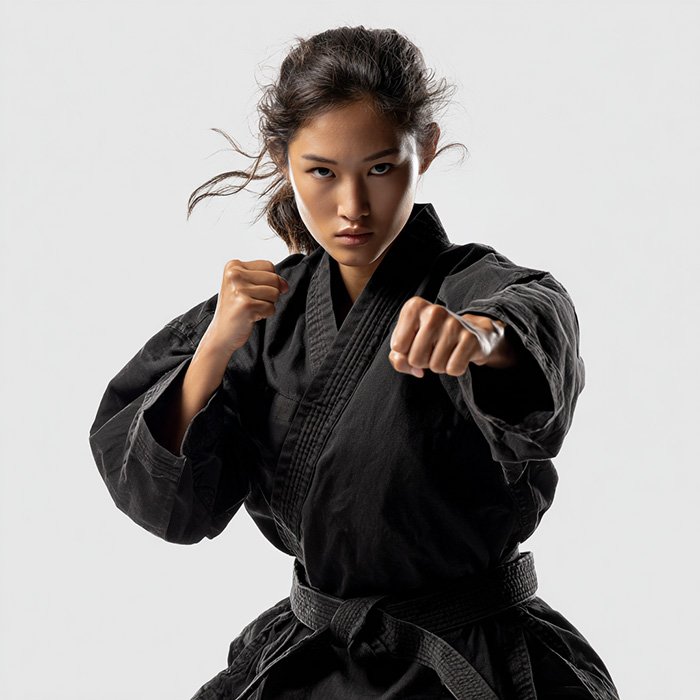
Punching, kicking, and grappling techniques powerfully strengthen your core, improving your posture and stability. These explosive movements develop fast-twitch muscle fibers, boosting your power and athletic agility. As you practice consistently, you’ll notice increased muscle tone and healthy growth supporting your development. Grappling techniques provide controlled strength resistance, enhancing your body coordination and developing balanced muscles throughout.
You’ll discover that martial arts doesn’t just build strength—it prepares your body for success in other sports and everyday activities. Your improved physical foundation gives you confidence and capability in everything you do.
Developing Emotional Resilience and Self-Confidence
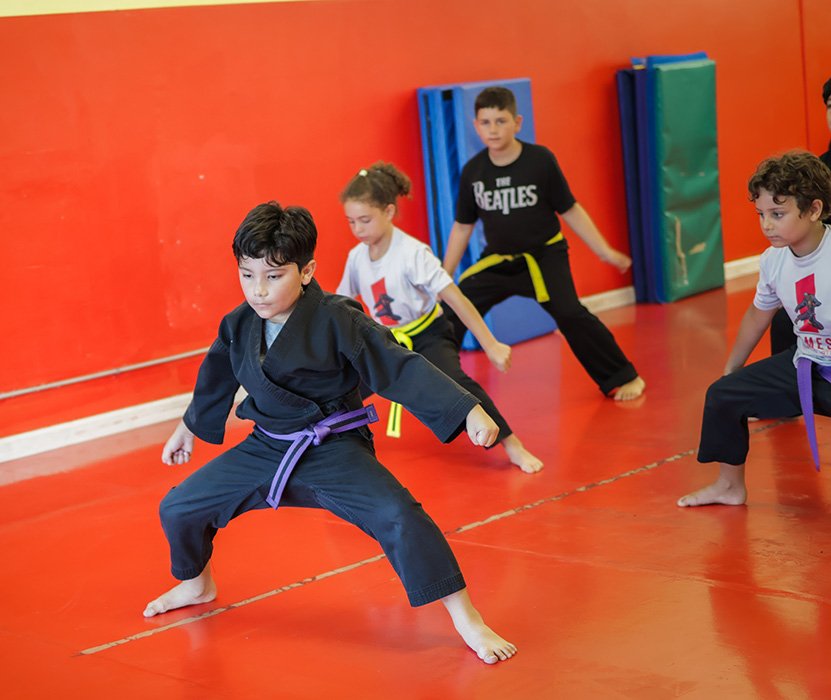
Three powerful transformations happen when you train in martial arts: you’ll build mental toughness, learn to manage your emotions, and discover a deeper confidence in yourself. Each belt you earn symbolizes your growth, reinforcing that you’re capable of achieving your goals. When you master new techniques and overcome challenges, you’re not just learning kicks and punches—you’re developing grit that protects you against self-doubt.
During partner drills and sparring, you’ll practice staying calm under pressure while learning from mistakes without judgment. This real-time practice builds emotional intelligence you’ll use everywhere. Research shows that martial arts training provides integration of your internal psychological processes with your external bodily dynamics, creating a harmonious state that enhances your overall mental well-being. Mindfulness techniques such as breathing exercises anchor individuals in the present moment, reducing anxiety even in stressful situations. You’re developing skills that help you bounce back from setbacks faster and face life’s challenges with quiet confidence.
Learning Respect and Social Responsibility
You’ll discover that martial arts teaches you to respect your instructors and classmates through traditions like bowing and following dojo rules, which helps you show respect both inside and outside the training space. As you progress through your training, you’ll build accountability by understanding that your effort directly leads to your achievements and growth. Through these practices, you’re not just learning a martial art—you’re becoming a responsible member of a community that values discipline, honesty, and mutual support. When you commit to a consistent schedule and attend classes regularly, you develop the correlation between action and consequence that reinforces your dedication to personal improvement.
Respecting Instructors and Peers
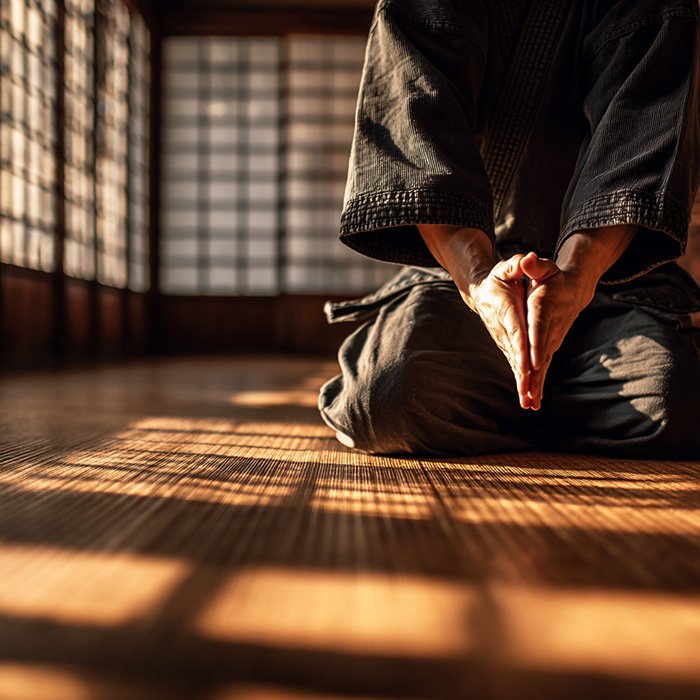
Martial arts training centers on respect—a value that’s woven into every class through rituals, etiquette, and meaningful interactions with your instructor and fellow students. You’ll bow to show gratitude and use honorific titles, reinforcing discipline and hierarchical awareness. These practices aren’t just traditions; they teach you to recognize personal boundaries and value yourself and others.
Respecting your peers builds cooperation and empathy during practice. You’ll learn patience by waiting your turn and listening without interrupting. Your instructor models respectful behavior consistently, showing you how respect looks in action. When you respect your training partners, you’re developing communication skills and conflict-resolution abilities that extend far beyond the dojo. This foundation of respect creates healthy boundaries that help you identify and resist negative influences. Together, you’re creating a supportive community where everyone thrives.
Building Community Through Tradition
The dojo isn’t just a place where you learn kicks and punches—it’s a community where traditions create real connections. When you train alongside classmates, you’re part of something bigger than yourself. Shared values like respect and discipline bond you together, turning strangers into teammates and mentors.
Your dojo likely participates in charity events, free self-defense workshops, and community service. These activities teach you that martial arts extend beyond the mat—they’re about giving back and strengthening your neighborhood. Older students mentor younger ones, showing you leadership in action. Through this supportive community, you develop stronger interpersonal skills and learn to engage with others in meaningful ways.
Accountability and Personal Responsibility
How does showing up to class on time actually change who you are as a person? When you commit to regular attendance, you’re building a foundation of accountability that extends far beyond the dojo. You’ll discover that progress isn’t handed to you—it’s earned through your personal effort and dedication.
In martial arts, you learn that your actions directly affect your training partners. When you stay focused and give your best, you’re not just improving yourself; you’re supporting everyone around you. This realization teaches you genuine social responsibility. Understanding the importance of following rules helps you recognize how your choices impact the entire training environment.
As you advance through belt levels, you’ll notice these lessons transfer to school and home. You’ll manage homework more independently, handle chores without reminders, and navigate peer pressure with confidence. You’re developing resilience and ownership of your own growth.
Enhancing Focus and Cognitive Skills
When you step onto the mat, you’re training your brain just as much as your body—martial arts demands the focused concentration that sharpens your ability to learn in school and tackle challenges everywhere. You’ll develop sequential thinking and planning skills as you master techniques that build on each other, teaching your mind to break complex tasks into manageable steps. Through consistent practice, you’re actually strengthening your executive function, which is like upgrading your brain’s control center so you can manage distractions, make better decisions, and stay calm under pressure. Research shows that martial arts training may also improve inhibition and self-control, helping you monitor your behavior and modify your responses in real-time.
Concentration Through Structured Training
Because martial arts demands your full attention—tracking your opponent’s movements, remembering sequences, and executing techniques with precision—you’re essentially training your brain to focus like never before. The structured environment of martial arts classes reinforces this concentration through repetition and clear objectives. You’re not just practicing kicks and punches; you’re developing the neural pathways that strengthen sustained attention.
This focused practice translates directly into your classroom performance. When you train regularly, your brain becomes more efficient at filtering distractions and maintaining mental clarity during complex tasks. The discipline required in martial arts—following instructions, perfecting forms, and progressively mastering new skills—builds your capacity to concentrate deeply. Research shows that martial arts training supports frontal lobe development and executive functioning, which are crucial for academic success. Over time, you’ll notice improved ability to tackle homework, retain information, and stay engaged during lessons.
Sequential Thinking and Planning
Why does mastering a martial arts combo feel like solving a puzzle? Because you’re building sequential thinking—the ability to plan steps logically and execute them in order.
When you train in martial arts, you’re strengthening your brain’s planning muscles. Each technique breaks down into smaller, manageable parts. You learn the first move, then the second, then how they connect. This step-by-step approach mirrors how your brain organizes complex tasks.
The structured routines you follow—warm-ups, drills, forms, sparring—create a framework for thinking ahead. You’ll notice yourself anticipating what comes next, both in class and during homework. Your mind becomes sharper at breaking large problems into achievable stages. These repeated practice patterns establish lasting neural pathways that support improved planning and foresight in all areas of life.
This sequential mastery translates directly to improved planning skills you’ll use everywhere, from schoolwork to daily challenges.
Executive Function Development Skills
Most martial arts students don’t realize they’re training their brain’s control center every time they step on the mat. When you practice martial arts, you’re strengthening executive functions—the mental skills that help you focus, make decisions, and control impulses.
Through repetitive training, you develop better self-control and behavioral inhibition. You’ll find yourself managing frustration more effectively and responding thoughtfully rather than reacting impulsively. Open-skill martial arts like judo enhance these abilities even more since you’re constantly adapting to unpredictable situations. Research shows that response inhibition improves significantly in children who engage in structured martial arts training over time.
Your sustained attention improves too. You’ll notice better focus in class and beyond the dojo. The dynamic nature of martial arts strengthens your working memory, allowing you to recall sequences and make tactical decisions faster. These cognitive gains translate directly into improved academic performance and daily life skills.
Mastering Practical Self-Defense Techniques
Learning self-defense isn’t about becoming aggressive—it’s about gaining skills that’ll help you stay safe and feel confident in challenging situations. You’ll master practical techniques like blocking, striking, and escaping from holds that empower you without promoting violence.
Your training emphasizes avoidance and de-escalation first. You’ll learn to recognize dangerous situations through heightened situational awareness, trusting your instincts when something feels wrong. This awareness is your best defense tool.
As you develop these skills, you’ll build resilience and self-esteem that naturally deters bullies. Confident kids who know they can defend themselves carry themselves differently—bullies notice and typically move on. You’re not just learning physical techniques; you’re developing the mental strength to handle real-world challenges safely and effectively.
Establishing Healthy Lifestyle Habits
When you commit to martial arts training, you’re not just learning kicks and punches—you’re building a foundation for lifelong fitness and wellness. Your regular training establishes consistent physical activity habits that stick with you beyond the dojo. You’ll develop improved posture, stamina, and weight management naturally through practice.
Martial arts instructors emphasize more than technique. They teach you about nutrition, hydration, and recovery—essential knowledge for maintaining peak performance. This holistic approach helps you understand how your body works and what it needs to thrive.
Setting and Achieving Personal Goals
Every martial artist you’ve ever heard of started exactly where you are now—with a dream and a willingness to work toward it. You’ll discover that setting clear goals transforms your training into a powerful journey. Start by defining what you want—maybe earning your next belt or mastering a challenging technique. Break these big dreams into smaller, measurable steps you can track weekly. Your instructor helps you create SMART goals: specific, achievable, and time-bound. Celebrate small wins along the way; they build confidence and keep you motivated. By balancing short-term wins with long-term ambitions, you’ll stay engaged and focused. Remember, progress isn’t always fast, but consistent effort pays off. You’re building discipline that extends far beyond the dojo.
Creating Positive Family Connections
Beyond the personal growth you’re gaining through martial arts, you’re also building something powerful with your family. When you train together, you’re replacing screen time with real connection—laughing during warm-ups, cheering each other through tough drills, and celebrating victories together. Siblings become teammates instead of competitors, and parents show you what perseverance looks like by training alongside you.
These shared experiences create lasting memories and strengthen your bonds. You’ll learn respect and clear communication through partner drills, skills that naturally flow into your daily interactions at home. Your family becomes your built-in support system, witnessing your progress and encouraging you through setbacks. That consistent weekly time together, fully present and focused, transforms how your family connects and communicates.
Conclusion
You’re making a fantastic choice by enrolling in martial arts! You’ll build strength, confidence, and focus while learning discipline and respect. You’re developing skills that’ll help you succeed both on and off the mat. Through consistent practice, you’ll discover your potential, set meaningful goals, and grow into a stronger, more resilient person. Your family’ll celebrate your progress together. Keep training, stay dedicated, and you’ll achieve amazing things.