Karate Classes For Kids
You’re seeking karate classes because you understand that martial arts training delivers measurable developmental benefits your child won’t find elsewhere. Research confirms statistically significant improvements in motor skills (p < 0.001), cardiovascular endurance doubling standard PE outcomes, and up to 30% gains in sustained attention for children with ADHD. You’ll find certified instructors offering progressive belt systems, low student-to-instructor ratios, and comprehensive safety protocols. The following sections detail exactly what evidence-based training can accomplish for your child’s physical, cognitive, and behavioral development.
Physical Fitness Improvements Through Regular Karate Training
When children step onto the karate mat, they’re initiating a transformation that extends far beyond learning kicks and punches—they’re developing fundamental physical capabilities that’ll serve them throughout their lives. Research demonstrates that 10-week karate programs produce statistically significant improvements in motor skills (p < 0.001), measured through standardized Eurofit and TGMD-2 assessments. Your child will develop explosive power, speed, and coordination while enhancing cardiovascular endurance at rates doubling standard physical education outcomes. The training systematically strengthens lower limb muscles, abdominal core, and improves flexibility—critical components for injury prevention and athletic performance. Children aged 4.5 to 6.5 years show remarkable gains in balance, prophttps://blog.jamesmartialartsacademy.com/wp-content/uploads/2024/06/woman-traveling-in-france-2023-11-27-05-16-47-utc_Easy-Resize.com_.jpgception, and neuromuscular coordination. These measurable improvements translate directly into enhanced daily function and sports proficiency, establishing foundational fitness patterns. Kihon training specifically targets basic motor skills through repetitive practice of fundamental techniques, creating a strong foundation for overall physical development.
Building Mental Strength and Emotional Resilience
Beyond the physical transformations visible on the training floor, karate systematically rewires your child’s neurological architecture for enhanced mental resilience and emotional control. Through repetitive kata memorization and precise technique execution, your child develops supehttps://blog.jamesmartialartsacademy.com/wp-content/uploads/2024/06/woman-traveling-in-france-2023-11-27-05-16-47-utc_Easy-Resize.com_.jpgr working memory and executive function—neurophysiological adaptations that directly strengthen stress management capacity.
The disciplined practice environment teaches constructive emotional regulation through controlled breathing techniques and mindfulness principles. When your child faces frustration during challenging sequences, they’re building coping strategies applicable beyond the dojo. Each belt progression reinforces persistence and growth mindset, establishing psychological frameworks for bouncing back from adversity. The supportive dojo environment naturally improves social confidence as children train alongside peers who share similar goals.
The structured, predictable training routine provides crucial stability for anxious children, while endorphin release naturally reduces stress hormones. Your child learns calm responses to pressure, developing the emotional stamina necessary for long-term mental fortitude.
Developing Character and Essential Life Skills
Every technique your child masters in karate simultaneously forges essential character traits that’ll define their success trajectory across all life domains. Through structured dojo protocols—bowing, following commands, maintaining decorum—your child internalizes respect and self-discipline that transcends the training floor into academic and home environments.
Belt progression cultivates perseverance through incremental challenges, while humility emerges from continuous skill refinement. Your child develops patience and impulse control, combating instant gratification tendencies through persistent effort. Leadership opportunities arise through peer mentoring, fostering responsibility and cooperation within partner drills.
Performing kata before peers builds social confidence and public speaking capabilities. The structured routines enhance decision-making skills, organization, and focus. Karate’s emphasis on mutual respect creates a growth mindset, empowering your child to face adversity, resist peer pressure, and develop self-leadership through autonomous goal-setting. The rigorous training environment teaches children to manage stress and disappointment effectively, building mental toughness that serves them throughout life’s inevitable challenges.
Academic Performance Benefits of Martial Arts Practice
Your child’s martial arts training delivers measurable academic gains that extend far beyond the dojo floor. Through Attention State Training (AST) mechanisms, karate practice strengthens neural pathways responsible for sustained focus, directly enhancing classroom engagement and homework completion rates. Research demonstrates that structured martial arts participation significantly reduces ADHD symptoms while building the cognitive endurance necessary for academic excellence. The discipline cultivated through consistent training translates seamlessly into academic studies, fostering accountability and ownership over educational progress as students recognize their effort directly determines results.
Improved Classroom Focus and Attention
The structured environment of martial arts training directly strengthens your child’s ability to maintain sustained attention in academic settings. Through repetitive kata sequences, they’ll develop enhanced working memory and cognitive processing capabilities that translate immediately to classroom performance. Your child learns to filter distractions while maintaining razor-sharp focus on instructor cues, techniques, and spatial awareness—skills that carry over to lectures and study sessions.
Visual attention improvements from martial arts practice correlate with measurable gains in information retention and test performance. The mental discipline required to execute precise techniques under pressure builds executive function capacities essential for academic success. When your child masters complex movement patterns, they’re simultaneously sharpening the neural pathways responsible for sustained concentration, enabling them to tackle assignments with increased efficiency and reduced mental fatigue. Students demonstrate increased self-discipline and responsibility that manifests as a proactive approach to handling academic challenges and coursework demands.
Better Homework Completion Rates
Sharpened concentration abilities create the foundation, but consistent homework completion demonstrates where cognitive improvements meet measurable academic outcomes. Your child’s martial arts participation directly correlates with enhanced executive functioning—specifically working memory and inhibitory control—which translates to structured study habits. Research reveals homework completion rates jumping from 30% to 75% when children train twice weekly, particularly benefiting those with ADHD.
The discipline-driven framework of martial arts establishes consistent routines that transfer to academic responsibilities. You’ll notice reduced task redirection needs and fewer behavioral disruptions, creating optimal conditions for assignment completion. Goal-oriented training methodologies foster persistence on challenging tasks while improving time management capabilities. Your child develops organizational skills through balancing practice schedules with schoolwork, learning phttps://blog.jamesmartialartsacademy.com/wp-content/uploads/2024/06/woman-traveling-in-france-2023-11-27-05-16-47-utc_Easy-Resize.com_.jpgritization strategies that support academic achievement and personal accountability throughout their educational journey. Training also improves classroom preparation, ensuring students arrive ready to learn with necessary materials and a focused mindset.
ADHD Symptom Reduction Benefits
Beyond traditional therapeutic interventions, martial arts training delivers clinically significant reductions in ADHD symptomatology through neuroplastic mechanisms that reshape attention networks. Your child will experience up to 30% improvement in sustained attention alongside enhanced selective focus through disciplined practice. After just 8 weeks, you’ll observe measurable reductions in hyperactivity and impulsivity scores, with group interventions reducing impulsive behaviors by approximately 25%. Martial arts strengthens executive functions through repeated cognitive engagement, improving inhibitory control via enhanced N2-P3 event-related potentials. The structured environment channels hyperactive energy into controlled movement while developing self-regulation critical for classroom readiness. Mindfulness techniques embedded in kata practice cultivate emotional regulation, reducing aggressive behaviors and improving social interactions. This evidence-based intervention targets core ADHD deficits, potentially surpassing gains from conventional psychological therapies. Children enrolled in martial arts demonstrate improved focus that carries over to academic settings, making them less likely to skip homework and everyday tasks.
Learning Practical Self-Defense and Safety Awareness
Every child deserves the ability to protect themselves, and karate delivers comprehensive self-defense training that extends far beyond physical techniques. Your child masters effective strikes, blocks, and kicks while developing strategic awareness of their surroundings. They’ll learn controlled responses rather than aggressive reactions, minimizing risk during confrontations.
Karate training cultivates situational awareness through repetitive kata practice, sharpening motor precision and mental readiness simultaneously. Your child develops confidence through progressive belt advancement, fostering personal responsibility for safety. The discipline emphasizes respect and courtesy, promoting conflict avoidance and non-violent problem-solving. Research demonstrates that karate interventions improve cardiorespiratory fitness and balance in children alongside these defensive capabilities.
This multifaceted approach builds self-esteem while teaching children to face fears and handle peer pressure effectively. They’ll master staying calm under pressure, applying deliberate techniques that ensure safety. Karate transforms children into confident individuals who navigate challenges with competence and composure.
Finding the Right Karate Program in Your Local Area
Armed with knowledge about karate’s self-defense benefits, you’re ready to select a program that delivers these advantages effectively. Phttps://blog.jamesmartialartsacademy.com/wp-content/uploads/2024/06/woman-traveling-in-france-2023-11-27-05-16-47-utc_Easy-Resize.com_.jpgritize certified instructors with documented martial arts credentials and child development expertise. Low student-to-instructor ratios ensure personalized attention during technique refinement. Evaluate curriculum structure—progressive belt systems provide measurable milestones that sustain motivation through clear advancement criteria.
Assess facility safety standards: proper mats, protective equipment, and emergency protocols are non-negotiable. Zero-tolerance bullying policies create secure training environments. Location matters—proximity reduces barriers to consistent attendance, while multiple class schedules accommodate your family’s routine.
Request trial sessions to observe teaching methodology firsthand. Positive reinforcement techniques build confidence alongside discipline. Review testimonials from current families and verify the dojo’s community involvement. Your due diligence now establishes your child’s foundation for lifelong martial arts practice. Look for programs offering multiple martial arts choices such as Tae Kwon Do, Jiu Jitsu, or Kumdo to match your child’s interests and learning style.
Age-Appropriate Training and Skill Development
As your child progresses through developmental stages, karate training must adapt to their evolving physical capabilities and cognitive readiness. Ages 3-6 require play-based methods emphasizing coordination, balance, and motor skills through short, engaging drills. During middle childhood (7-9), you’ll notice structured technique introduction with multi-step instructions that build automatized movement patterns and anaerobic capacity. Late childhood (10-12) brings enhanced respiratory function, allowing demanding exercises that develop strength, endurance, and flexibility while reinforcing self-discipline. Adolescence (13-15) presents unique challenges—temporary coordination decline during puberty requires increased training volume and flexibility work. Throughout these stages, age-specific pacing prevents burnout while maximizing skill retention. Progressive instruction cultivates not just martial arts proficiency but lifelong values: perseverance, respect, and strategic thinking that translate beyond the dojo. Quality instructors adapt their teaching methods to match each age group’s developmental needs, utilizing visual demonstrations and hands-on guidance for younger students while fostering independence and personal responsibility in older practitioners.
The Role of Qualified Instructors in Your Child’s Progress
Your child’s karate journey hinges on one critical factor: instructor qualification. Certified black belt instructors don’t just demonstrate techniques—they transform learning through child-specific pedagogical expertise and developmental awareness. They’ll identify physical limitations, enforce safety protocols, and prevent injuries through proper supervision.
Qualified instructors accelerate skill progression through structured goal-setting, personalized feedback, and effective communication of complex movements. They’ll adapt training loads to your child’s learning pace, preventing burnout while maximizing motor skill development.
Beyond physical techniques, credentialed instructors cultivate self-discipline, emotional regulation, and respect through traditional martial arts structure. They serve as mentors modeling conflict resolution and positive behaviors. Research confirms: children training under qualified instructors demonstrate measurable improvements in executive function, academic performance, and cognitive flexibility compared to standard physical education programs.
Balancing Karate With Other Activities and Commitments
Finding the right training cadence for your child requires precision—too few sessions stall progress, while excessive training triggers burnout and injury. Beginners should commit to 1–2 weekly sessions, establishing proper motor patterns and foundational techniques. Advanced practitioners can escalate to 3–4 classes weekly, accelerating rank progression while maintaining adequate recovery protocols.
You’ll need strategic coordination with academics, sports, and social commitments to prevent overload. Twice-weekly training typically delivers optimal progression without overwhelming family logistics or finances. Monitor your child’s physical responses and performance metrics across all activities—fatigue signals require immediate schedule adjustments.
Karate’s discipline-building benefits actually enhance time management skills that transfer to other pursuits. Consistent attendance outweighs frequency; steady engagement with proper rest intervals produces supehttps://blog.jamesmartialartsacademy.com/wp-content/uploads/2024/06/woman-traveling-in-france-2023-11-27-05-16-47-utc_Easy-Resize.com_.jpgr developmental outcomes. Age-appropriate programming ensures cognitive and physical readiness aligns with training intensity demands.
What to Expect From Your Child’s First Karate Classes
Your child’s first karate classes will follow a structured format designed to introduce fundamental techniques while establishing behavioral expectations from day one. You’ll observe instructors implementing systematic warm-ups, basic stance training, and introductory strikes while simultaneously reinforcing dojo etiquette through bowing protocols and respectful communication. These initial sessions phttps://blog.jamesmartialartsacademy.com/wp-content/uploads/2024/06/woman-traveling-in-france-2023-11-27-05-16-47-utc_Easy-Resize.com_.jpgritize building your child’s technical foundation and understanding of martial arts discipline, setting the trajectory for their entire karate journey.
Class Structure and Format
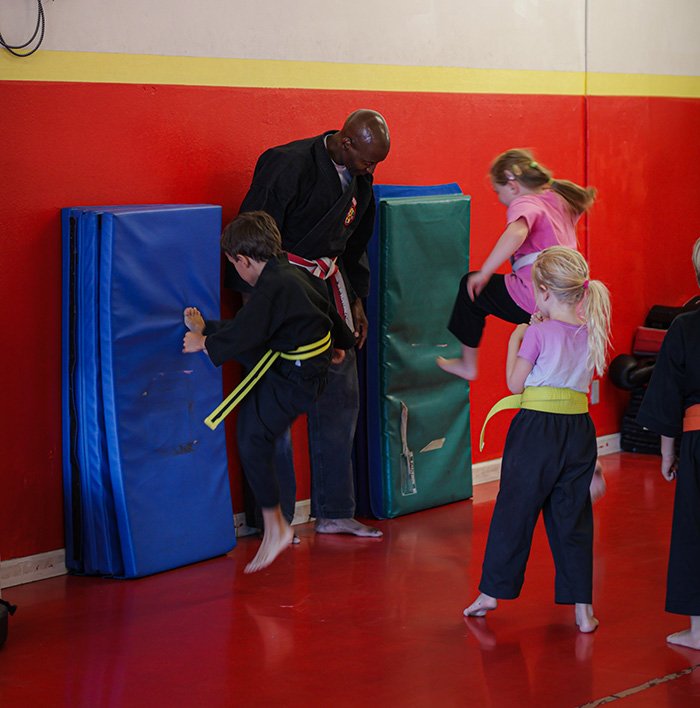
Walking into the dojo for that first class, most parents wonder what actually happens during those 45 minutes on the mat. Your child’s session follows a structured framework designed to maximize engagement and skill development. Classes begin with warm-up drills incorporating fundamental stances like zenkutsu-dachi (front stance) and kiba-dachi (horse stance), building coordination through repetition. The core instruction introduces one or two techniques broken into manageable steps, followed by partner drills that reinforce muscle memory.
Strategic activity rotation every 5-10 minutes maintains focus while accommodating developing attention spans. Games aren’t just recreational—they’re deliberately crafted to embed martial arts principles like timing and distancing. Each session concludes with structured cool-down stretching and brief reflection, consolidating learning while teaching mindfulness. This predictable format creates confidence through consistency.
What Your Child Learns
Beyond the structured routines and predictable class format lies the transformative core of karate training—the specific skills and attributes your child will develop from day one.
Your child will master fundamental techniques including front stance, horse stance, straight punches, and front kicks. Each repetition builds coordination, balance, and motor control while flexibility increases through dedicated warm-ups and stretching protocols.
Simultaneously, cognitive enhancement occurs as sustained concentration becomes necessary for precise execution. Your child’s focus sharpens, self-control strengthens, and listening skills improve—benefits that transfer directly to academic performance.
The dojo environment cultivates respect through bowing rituals, teamwork during partner drills, and instructor feedback. As your child progresses through belt ranks, confidence grows. Discipline, perseverance, and responsibility become foundational character traits, equipping them with life skills extending far beyond martial arts.
Behavioral Expectations and Etiquette
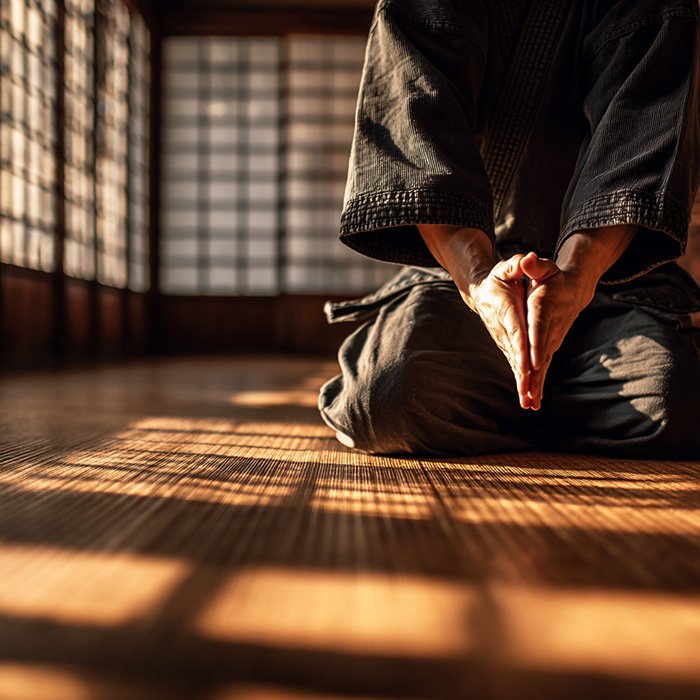
When your child steps onto the dojo floor, they’ll enter a structured environment where behavioral expectations aren’t merely suggested—they’re systematically reinforced through centuries-old protocols. Each class begins and ends with formal bows, establishing immediate respect for instructors and peers. Your child will learn to respond with “Yes, Sir” or “Yes, Ma’am,” reinforcing courteous communication patterns that transfer beyond the dojo walls.
Expect clear behavioral boundaries: quiet listening during instruction, controlled movements respecting classmates’ personal space, and immediate compliance with directional commands. These aren’t arbitrary rules—they’re deliberate conditioning mechanisms developing self-regulation and emotional discipline. Your child will discover that advancement isn’t automatic; belt progression requires demonstrated accountability through consistent attendance, focused effort, and adherence to dojo etiquette. This merit-based system cultivates responsibility while building mental resilience through structured, predictable routines.
Conclusion
You’ve examined the comprehensive benefits karate offers your child—enhanced physical conditioning, mental fortitude, character development, and practical self-defense skills. Now it’s time to take action. Research local dojos, evaluate their instructors’ credentials, and schedule trial classes. Don’t let hesitation delay your child’s growth. The discipline, focus, and confidence they’ll gain through consistent training will serve them throughout their lifetime. Start their martial arts journey today—you won’t regret this investment in their future.