Emotional Growth Through Karate for Preteens
Your preteen can rewire how they process stress through karate’s structured progression and supportive environment. Belt rankings transform abstract goals into concrete achievements, building genuine confidence through measurable skill advancement. Diaphragmatic breathing and mindfulness practices teach emotional regulation during high-pressure moments, while systematic exposure to manageable challenges develops resilience. The dojo’s consistent rituals and routines create emotional security, allowing your child to stay calm when facing obstacles both on and off the mat. Discover how these principles extend far beyond physical training.
Building Confidence Through Achievement and Mastery
When you’re navigating the preteen years, karate offers a structured pathway to build genuine confidence through tangible progress. Belt ranking systems provide measurable milestones that transform abstract goals into concrete achievements. You’ll experience incremental skill advancement, which continuously reinforces your capability and self-efficacy.
As you master techniques, your physical competence directly enhances your self-image. Each advancement—whether perfecting a kata or earning a new belt—demonstrates that consistent effort produces mastery. This foundation counters the self-doubt common during adolescence. The supportive and encouraging atmosphere within karate classes empowers you to push through moments of uncertainty and doubt.
Instructor feedback validates your achievements, motivating sustained skill acquisition. You’ll develop resilience by stepping beyond your comfort zone, discovering you can overcome challenges. These success experiences establish unshakeable confidence that extends beyond the dojo into academics and social interactions, fundamentally reshaping how you perceive yourself.
Learning Emotional Control in High-Pressure Moments
When you’re facing a high-pressure moment in karate—whether sparring or testing—you’ll discover that controlled breathing becomes your anchor, allowing you to stay present rather than overwhelmed. You’ll practice responding calmly to challenges by reinterpreting stressful situations positively, transforming what might’ve triggered aggression into an opportunity to demonstrate mastery. Through repetition, you’ll develop the capacity to manage frustration without immediate reaction, building emotional resilience that extends far beyond the dojo. Research shows that cognitive reappraisal is a more adaptive emotion regulation strategy than suppression, meaning the positive reinterpretation you practice in karate creates lasting improvements in how you handle stress in all areas of your life.
Breathing Through Difficult Moments
Three core strategies—controlled breathing, mindfulness practices, and physical discipline—work together to help preteens manage their emotions when pressure peaks. When you’re feeling overwhelmed, diaphragmatic breathing slows your heart rate and signals your nervous system to relax. You’ll inhale deeply through your nose and exhale slowly through your mouth, steadying both mind and body.
This intentional breathing trains you to reset your thoughts before and after challenging drills. You’re learning to interrupt the cycle of racing thoughts and anxiety. By pairing breath work with focused attention, you develop a genuine capacity to acknowledge difficult emotions without being controlled by them. The same focus that helps you master precise stances also grounds you emotionally when feelings run high.
Regular practice embeds these calming responses into your physiology, making emotional regulation accessible during high-pressure moments both in and outside the dojo.
Calm Responses to Challenges
As you’ve built a foundation of controlled breathing and mindfulness, you’re now ready to strengthen your ability to respond calmly when challenges intensify. Karate training develops self-regulation through deliberate practice during drills and sparring, teaching you to manage impulses before they escalate. You’ll learn cognitive reappraisal—reframing stressful situations positively—which research shows significantly reduces reactive behavior. The consistent ritual and structure of your classes build emotional security, allowing you to anticipate challenges rather than fear them. Partner work cultivates empathy, enabling you to resolve conflicts thoughtfully. Over time, these rituals and routines help you feel grounded and secure, reinforcing your ability to stay calm under pressure. As you internalize these skills, you’ll transfer calm responses from the dojo to high-pressure moments in your daily life, demonstrating genuine emotional maturity.
Managing Frustration Without Reaction
Because frustration often triggers immediate physical and emotional responses, karate provides a structured environment where you can practice separating your impulse to react from your actual response. Through repetitive training, you develop cognitive reappraisal skills—the ability to reinterpret challenging situations calmly rather than emotionally. This neurological shift reduces reactive aggression by creating space between stimulus and response.
Karate’s discipline teaches you to assess situations thoughtfully before acting. You learn that frustration is information, not a directive. The supportive community reinforces these skills consistently, helping you internalize emotional control strategies. Over time, you build resilience against provocation, managing frustration constructively without impulsive outbursts. This capacity transfers directly into your daily life. Research on martial arts practice among youth demonstrates that social-psychological outcomes extend beyond the training environment, with structured programs showing enhanced personal and social opportunities when proper contextual factors are maintained.
Developing Resilience When Facing Challenges
You’ll discover that karate training systematically exposes you to manageable obstacles—mastering a new kata, advancing belt levels, or refining techniques—that build your capacity to persist through difficulty. Each time you practice, you’re strengthening neural pathways associated with sustained effort and emotional regulation, equipping you to approach real-world challenges with greater confidence and composure. This structured progression from manageable to increasingly complex tasks helps your developing brain internalize that setbacks aren’t permanent, creating a foundation of resilience you’ll carry beyond the dojo. Research shows that the social and emotional benefits of karate participation extend beyond physical skill development, supporting children’s overall well-being and capacity to handle life’s challenges.
Overcoming Manageable Obstacles
When preteens step onto the mat, they’re building more than physical skills—they’re developing the emotional and cognitive tools they’ll need to face life’s inevitable challenges. Karate training directly targets the executive functions—inhibition and cognitive flexibility—that enable you to pause before reacting impulsively. You’ll learn to manage frustration during repetitive drills and setbacks, building patience and persistence. The structured environment teaches you that obstacles aren’t permanent; they’re opportunities to practice problem-solving. As you progress through belts, you experience manageable difficulty levels that build confidence without overwhelming you. This graduated challenge system mirrors real-world stressors, allowing you to develop resilience in a controlled setting before applying these skills to academic pressure or peer conflicts outside the dojo.
Building Persistence Through Practice
Repetition—the backbone of karate training—transforms struggle into strength. You return to the same techniques repeatedly, embedding persistence into your nervous system. Each class follows predictable rhythms: warm-ups, practice, feedback, and reflection. This consistency reduces anxiety and builds confidence, allowing you to stay engaged when tasks feel hard.
Your instructor frames mistakes as growth opportunities, not failures. You learn that effort, not innate talent, drives improvement. Belt rankings provide concrete milestones, showing you that incremental progress compounds over time. When you master a form after weeks of practice, you experience directly how persistence pays off. Research demonstrates that karate training induces neurophysiological changes that support cognitive development and emotional regulation.
Through controlled breathing and deliberate movement, you develop emotional regulation skills that transfer beyond the dojo. You pause before reacting to frustration, maintaining focus on your goal. This practice rewires how you approach challenges everywhere.
Using Physical Activity as a Stress Management Tool
Because preteens face increasing academic, social, and developmental pressures, physical activity offers a scientifically supported pathway to reduce stress and build emotional resilience. When you engage in moderate to high-intensity exercise like karate three or more times weekly for 30–60 minutes, you regulate cortisol and strengthen emotional control. This practice enhances your self-efficacy, enabling you to manage stressors proactively rather than avoiding them. Karate’s structured goal-setting promotes psychological resilience, while consistent training boosts concentration and academic motivation—reducing school-related stress. Additionally, you’ll develop discipline and teamwork skills that translate into real-world coping strategies. Research shows that problem-solving stress management approaches are more effective than emotion-focused avoidance strategies, particularly as adolescents mature. By channeling negative emotions through purposeful physical engagement, you’re not just building strength; you’re actively rewiring your stress response system toward greater emotional stability.
Creating Meaningful Connections Within the Dojo Community
The dojo functions as far more than a training facility—it’s a social hub where you’ll develop friendships with peers who share your commitment to martial arts growth. You’ll engage in collaborative drills and sparring that build cooperative skills while practicing positive communication, both verbal and nonverbal. These structured interactions create a consistent social framework where respect and empathy naturally emerge as you train alongside individuals from diverse backgrounds.
Shared goals in belt progression foster genuine group cohesion. You’ll find yourself encouraged by instructors and peers alike, strengthening social bonds that extend beyond class. This supportive community reduces isolation and helps you form meaningful connections during a developmentally critical pehttps://blog.jamesmartialartsacademy.com/wp-content/uploads/2024/06/woman-traveling-in-france-2023-11-27-05-16-47-utc_Easy-Resize.com_.jpgd. Advanced practitioners often take on leadership roles, mentoring younger students and deepening the sense of collective achievement. The dojo’s culture validates your efforts while promoting emotional resilience through consistent, affirming relationships.
Understanding the Role of Respect in Personal Growth
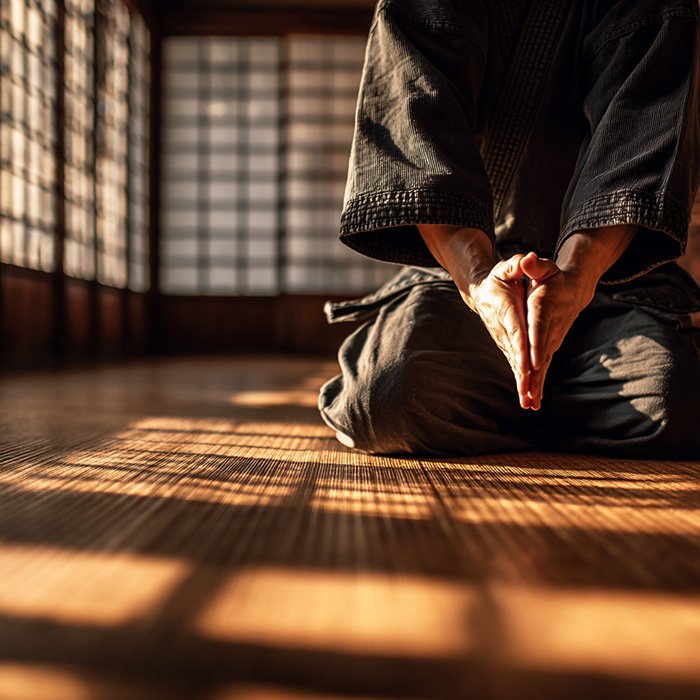
As you progress through karate training, you’ll discover that respect functions as a cornerstone for your emotional growth—not merely as a rule to follow, but as a practice that reshapes how you relate to yourself and others. When you bow to your instructor and peers, you’re cultivating humility that extends beyond the dojo into your daily life. This consistent practice develops your self-discipline and emotional regulation by teaching you to consider multiple perspectives before reacting. You’ll build self-respect by acknowledging your progress and setting meaningful goals, which strengthens your resilience during challenges. Through respectful conduct, you establish personal boundaries that foster independence while maintaining compassion. These interconnected skills create a foundation for managing stress, building authentic relationships, and developing the emotional maturity essential for navigating adolescence.
Sharpening Focus and Attention Span
While respect cultivates your emotional foundation, karate simultaneously rewires how your brain processes information and maintains attention. The structured, repetitive movements you practice train your mind to filter distractions and sustain focus. Each kata demands precision—attention to posture, breathing, and technique—strengthening your ability to concentrate outside the dojo.
Karate’s meditative elements calm your nervous system through breathing exercises, promoting mental clarity and reducing anxiety. You’ll notice improved reaction times and anticipatory skills as visual-motor coordination develops. The discipline required for consistent training builds resilience that transfers directly to academic performance. Research shows preteens practicing karate demonstrate enhanced working memory, better executive function, and reduced impulsivity. You’re not just learning techniques; you’re developing cognitive tools that sharpen your mental performance across all life domains.
Strengthening Self-Esteem Beyond the Training Mat
By mastering techniques you once thought impossible, you’re building something far more valuable than physical skills—you’re constructing a genuine belief in your own capabilities. This confidence doesn’t stay confined to the dojo. Research shows that preteens who train in karate report higher self-assurance during school presentations and social interactions. Public belt tests and demonstrations normalize being observed and evaluated, reducing social anxiety in real-world settings. You’re learning that growth stems from effort rather than innate talent—a mindset that transfers directly to academics and peer relationships. The respect rituals you practice, from bowing to following dojo etiquette, reinforce personal boundaries and self-worth. These experiences reshape how you see yourself, creating lasting emotional resilience beyond training.
Conclusion
You’re building essential life skills when you step onto the mat. Karate doesn’t just strengthen your body—it rewires how you respond to stress, builds confidence, and navigates relationships. You’re learning that challenges aren’t obstacles; they’re growth opportunities. These neural pathways you’re creating through consistent practice extend far beyond the dojo, helping you regulate emotions, bounce back from setbacks, and develop genuine self-worth grounded in your capabilities.