James Martial Arts Offers Age-Appropriate Classes
You’ll find specialized instruction tailored to your developmental stage at James Martial Arts. Young children build motor skills and coordination. School-age kids develop fitness, focus, and resilience against bullying. Adolescents learn stress management and emotional regulation. Adults strengthen cognitive function and mental sharpness. Every age group benefits from rigorous safety protocols and proper equipment. You’re not just training—you’re building lifelong wellness and psychological resilience designed specifically for where you are now.
Building Strong Foundations for Young Children (Ages 3-5)
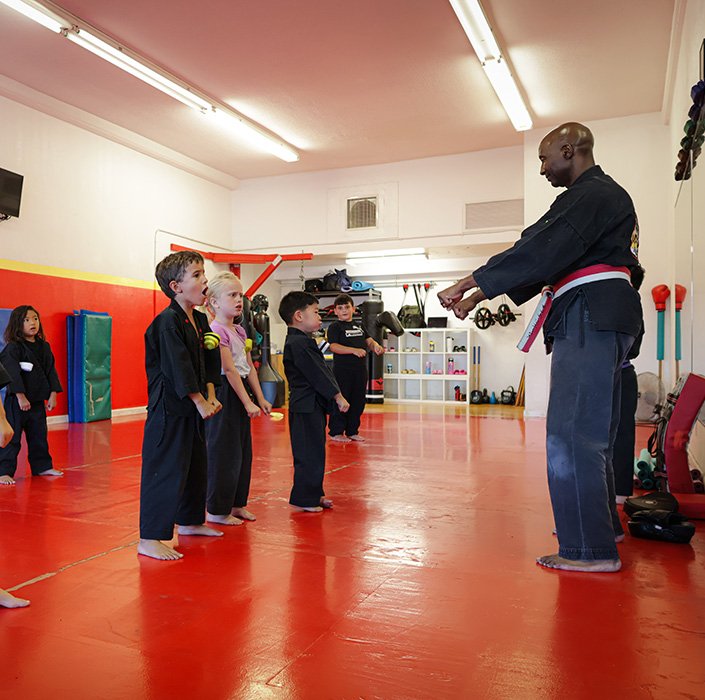
When you enroll your child in age-appropriate martial arts classes, you’re giving them far more than physical exercise—you’re laying the groundwork for lifelong fitness and resilience. Through structured movements adapted for preschoolers, your child develops essential motor skills, coordination, and balance. Repetition of basic stances enhances body awareness and spatial orientation, foundational skills that support participation in other sports. Research shows that martial arts interventions produce twice the growth rate in physical fitness compared to children who don’t participate in structured martial arts programs.
Beyond physical gains, martial arts classes provide a disciplined environment where your child learns focus and concentration. Instructors emphasize proper technique and safety protocols, minimizing injury risks while building confidence. Your child practices emotional regulation in a supportive setting, learning to manage impulses and recover from setbacks. These early experiences in martial arts establish healthy habits and mental resilience that’ll benefit your child throughout their life.
Developing Physical and Mental Skills in School-Age Children (Ages 6-10)
As your school-age child progresses in martial arts training, you’ll witness transformative changes that extend far beyond the dojo floor. Your child’s cardiorespiratory fitness, agility, and coordination improve measurably through repetitive technique practice. More importantly, martial arts develop crucial cognitive skills—enhanced attention span, memory, and executive functioning that directly support academic performance.
You’ll notice your child processing emotions more thoughtfully, managing anxiety more effectively, and demonstrating stronger self-discipline both in class and at school. The structured progression builds genuine confidence as your child masters new skills and overcomes challenges, fostering resilience against bullying and social pressures. Research shows that children in martial arts are 30% less likely to experience bullying, creating a safer environment for emotional growth.
These classes instill life skills like respect, honesty, and perseverance. Your child gains conflict resolution abilities and the emotional intelligence necessary for healthy relationships. Martial arts creates purpose and belonging through goal-setting and community involvement—essential ingredients for well-rounded development during these critical school years.
Managing Stress and Building Confidence in Adolescents and Young Adults (Ages 13-17)
During the turbulent adolescent and young adult years, your teen faces unprecedented physical, emotional, and social pressures that can overwhelm their coping mechanisms. Martial arts training directly addresses these challenges through structured practice that releases tension and builds emotional regulation skills. You’ll notice your teen develops greater self-confidence as they achieve belt promotions and master techniques, reinforcing their belief in their capabilities. The discipline emphasized in class translates into better decision-making and stress management in daily life. Additionally, the respectful peer environment and supportive instructors create a genuine sense of belonging. Research shows that repeated participation in martial arts strengthens ego-resilience, enabling your teen to persist through obstacles and bounce back from setbacks with greater emotional stability. When you actively engage with your teen’s training journey, outcomes improve significantly. Martial arts doesn’t simply teach self-defense—it equips adolescents with proven psychological tools for navigating life’s complexities with resilience and composure.
Enhancing Wellness and Cognitive Function for Adults and Older Adults (Ages 26-50+)
Your martial arts training doesn’t just strengthen your body—it fundamentally enhances how your brain functions. When you commit to consistent practice, you’re actively building executive functions like inhibition, cognitive flexibility, and processing speed. Your brain responds to martial arts’ complex motor demands by increasing cerebral blood flow to regions governing cognitive control. Three sessions weekly yields measurable improvements in working memory and attentional control that transfer directly to daily decision-making. For those 26 and beyond, this neural plasticity counters age-related cognitive decline. You’re not simply exercising; you’re strategically engaging sensory-motor systems intertwined with attention networks. The discipline required cultivates both mental sharpness and psychological resilience. Research shows that atypical martial art training produces comparable executive function improvements to typical martial arts classes, suggesting that varied practice enhances cognitive adaptability. This neuropsychological benefit makes martial arts exceptional for maintaining cognitive vitality throughout adulthood.
Safety Standards and Long-Term Benefits of Martial Arts Training
Most martial arts injuries are preventable through rigorous adherence to established safety protocols and proper protective equipment. You’ll benefit from standardized rules enforced by organizations like the World Karate Federation, which limit excessive force and dangerous techniques. When you commit to comprehensive gear—mouth guards, groin protectors, gloves, and hand wraps—you significantly reduce your injury risk. As you advance beyond three years of training, maintain vigilant safety practices; experienced practitioners face heightened injury likelihood. You’ll discover that age-appropriate instruction tailors protocols to your specific needs, since adults aged 26 and over require different safeguards than younger students. Research demonstrates that head and neck injuries represent the most common injury location in combat sports, accounting for over one-third of all reported injuries. By respecting these standards, you’ll train sustainably, minimizing contusions, strains, and sprains while maximizing long-term wellness and cognitive benefits.
Conclusion
You’ll find that James Martial Arts’ age-appropriate classes build your confidence and strengthen your body at every life stage. Whether you’re starting at three or training at fifty, you’re committing to a disciplined journey that transforms your physical capabilities and mental resilience. You won’t regret investing in these proven programs. Start your training today and discover the lasting benefits that’ll carry you through life.