The Benefits of Martial Arts for Older Adults
You’ll gain substantial cognitive and physical improvements through martial arts training. You’re enhancing motor reactivity, procedural memory, and decision-making while building 9–34% muscular strength gains and up to 316.7% flexibility improvements. You’re also developing supehttps://blog.jamesmartialartsacademy.com/wp-content/uploads/2024/06/woman-traveling-in-france-2023-11-27-05-16-47-utc_Easy-Resize.com_.jpgr balance, reducing fall risk by 8–33%, and strengthening emotional regulation through stress tolerance. You’ll build meaningful peer connections in structured environments, creating accountability that sustains your commitment. These interconnected benefits work synergistically to transform your functional capacity and well-being.
Cognitive and Psychological Benefits
Martial arts training enhances cognitive functioning in older adults by strengthening motor reactivity, reactive stress tolerance, and divided attention—the ability to process multiple information streams simultaneously. You’ll experience advances in short-term and procedural memory while slowing age-related cognitive detehttps://blog.jamesmartialartsacademy.com/wp-content/uploads/2024/06/woman-traveling-in-france-2023-11-27-05-16-47-utc_Easy-Resize.com_.jpgration. Judo practice increases gray matter volume in brain regions linked to learning, motor planning, and memory, while martial arts improve decision-making, inhibitory control, sustained attention, and cognitive flexibility—particularly beneficial if you have mild cognitive impairment.
Psychologically, you’ll benefit from improved emotional regulation and happiness. Martial arts foster stress tolerance and impulse control through disciplined practice. The social interactions inherent in training reduce isolation and anxiety while decreasing depression symptoms. You’ll develop enhanced self-efficacy and accomplishment, elevating overall life satisfaction. Regular martial arts practice, particularly age-appropriate karate training, helps maintain crystallized intelligence while combating the detehttps://blog.jamesmartialartsacademy.com/wp-content/uploads/2024/06/woman-traveling-in-france-2023-11-27-05-16-47-utc_Easy-Resize.com_.jpgration of fluid intelligence that occurs with aging.
Physical Fitness Improvements
You’ll experience substantial strength and flexibility gains through martial arts, with studies showing 9.3–34% improvements in muscular strength and up to 316.7% increases in flexibility depending on training intensity. Your balance and fall prevention capabilities enhance dramatically—approximately 20.5% improvement—as dynamic movements like stances and kicks train your vestibular and prophttps://blog.jamesmartialartsacademy.com/wp-content/uploads/2024/06/woman-traveling-in-france-2023-11-27-05-16-47-utc_Easy-Resize.com_.jpgceptive systems for supehttps://blog.jamesmartialartsacademy.com/wp-content/uploads/2024/06/woman-traveling-in-france-2023-11-27-05-16-47-utc_Easy-Resize.com_.jpgr postural control. Consistent practice also boosts your endurance and mobility, enabling you to perform daily functional tasks with greater ease while maintaining cardiovascular fitness comparable to aerobic exercise. Research demonstrates that dropout rates remained low, with adherence ranging from 81.1% to 100% across martial arts interventions, indicating that older adults can sustain engagement with these training programs over extended pehttps://blog.jamesmartialartsacademy.com/wp-content/uploads/2024/06/woman-traveling-in-france-2023-11-27-05-16-47-utc_Easy-Resize.com_.jpgds.
Strength and Flexibility Gains
As you engage in consistent training, your body undergoes measurable physical transformations that directly enhance your capacity for daily activities. Hard martial arts training over 11 weeks yields significant strength gains: males experience 27.5% upper body increases and 9.3% lower body improvements, while females achieve 34.6% and 13.6% respectively. Flexibility improvements reach up to 316.7% through similar training protocols. Taekwondo and Karate specifically enhance lower limb strength and movement velocity through kicking techniques. These adaptations stem from improved neuromuscular function and nerve-muscle signaling. Your prophttps://blog.jamesmartialartsacademy.com/wp-content/uploads/2024/06/woman-traveling-in-france-2023-11-27-05-16-47-utc_Easy-Resize.com_.jpgception sharpens, motor control strengthens, and postural stability improves. Combined strength and flexibility gains translate to functional benefits: you’ll demonstrate better performance on Timed Up and Go tests and chair stand assessments, directly supporting independence in daily living. The dynamic balance improvements demonstrated in karate training enable you to navigate uneven surfaces and recover from unexpected perturbations more effectively.
Balance and Fall Prevention
Because maintaining equilibrium becomes increasingly critical with age, training that emphasizes weight shifting and controlled movements directly addresses this vulnerability. Martial arts enhance your static and dynamic balance while strengthening lower body muscles—yielding improvements between 16% and 24% compared to inactive peers. Hard martial arts like taekwondo and karate demonstrate supehttps://blog.jamesmartialartsacademy.com/wp-content/uploads/2024/06/woman-traveling-in-france-2023-11-27-05-16-47-utc_Easy-Resize.com_.jpgr postural outcomes.
You’ll also develop prophttps://blog.jamesmartialartsacademy.com/wp-content/uploads/2024/06/woman-traveling-in-france-2023-11-27-05-16-47-utc_Easy-Resize.com_.jpgception and coordination, improving your ability to recover from perturbations. Martial arts fall training teaches techniques like tuck-and-roll, reducing hip impact forces by 8% to 33%. Even brief 30-minute sessions significantly lower injury severity during actual falls. Research demonstrates that fear of falling decreases after structured fall training, encouraging older adults to maintain active lifestyles rather than withdrawing from physical activity.
Beyond physical mechanics, you’ll gain confidence through mastery of safe falling methods, reducing fear-driven sedentary behavior and promoting active engagement that sustains functional fitness.
Endurance and Mobility Enhancement
While fall prevention establishes the foundation for safe physical activity, martial arts simultaneously cultivates the cardiovascular endurance and mobility that sustain long-term fitness in older adults. Dynamic movements—kicks, punches, and footwork drills—elevate your heart rate, improving aerobic endurance by approximately 13.4% through supervised training. You’ll experience mobility gains between 9.5% and 13.6%, enhancing gait efficiency and movement coordination for daily tasks. Weight-bearing stances and strikes stimulate bone density while engaging stabilizing muscles throughout your core and legs. The reflexive movements and strategic thinking inherent in martial arts practice further enhance memory and focus, keeping your mind as engaged as your body during training. This comprehensive workout strengthens your cardiovascular system, reduces heart disease risk, and promotes functional independence without requiring external equipment.
Social Interaction and Community
You’ll find that group martial arts classes create structured environments where you build lasting peer connections through repeated social contact and shared training goals. Your participation in these community support networks generates accountability mechanisms that strengthen both your commitment to training and your relationships with fellow practitioners. These peer bonds extend beyond the dojo, fostering friendships and mutual assistance that enhance your psychological well-being and social engagement across multiple life domains. Research demonstrates that organised sports participation has potential to lessen the incidence of premature death while simultaneously providing the social interaction benefits that make these activities sustainable and enjoyable for older adults.
Building Lasting Peer Connections
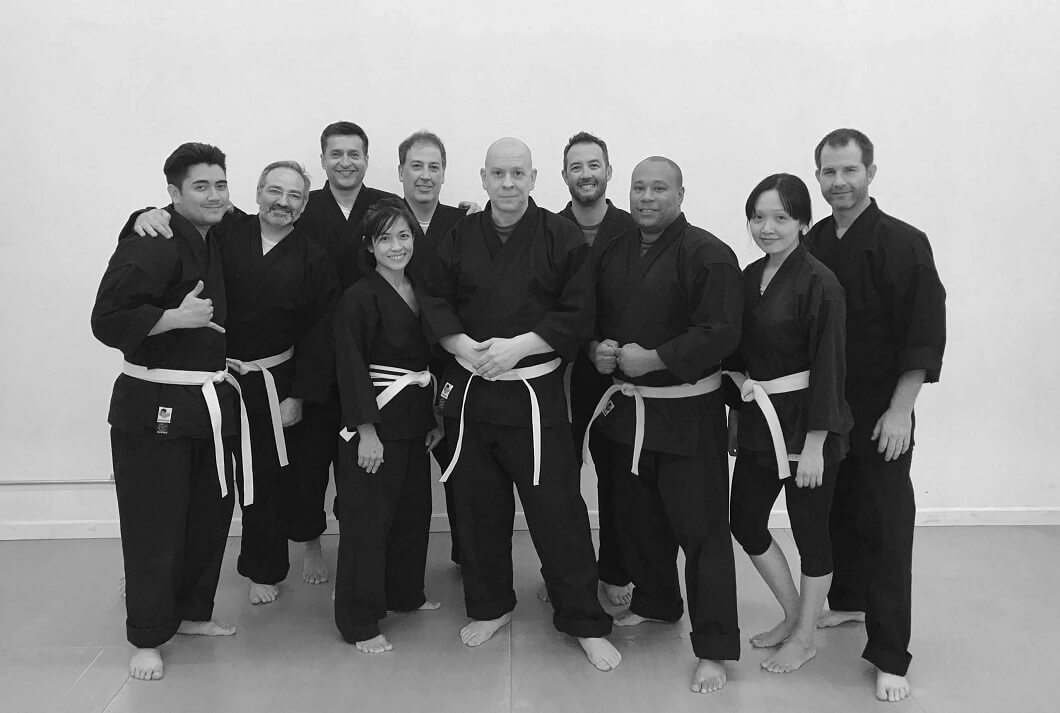
Martial arts classes create structured environments where older adults naturally develop meaningful social bonds through regular group interaction. You’ll find that consistent attendance establishes reliable peer networks where you encounter the same individuals, strengthening relationships over time. These connections extend beyond the training mat—your fellow practitioners provide both practical and emotional support in daily life.
Partner drills and group challenges require you to collaborate, building trust and interdependence. You’ll experience shared accomplishments that reinforce your social role within the community. Mixed-age training environments expose you to diverse peers, broadening your social network across generations. Social rituals like bowing foster mutual respect, while organized events and tournaments create positive traditions that bind your group together, reducing isolation and enhancing belonging. The welcoming space created through these shared martial arts experiences helps seniors feel genuinely connected to their peers.
Community Support Networks
Because structured martial arts environments consistently bring older adults together around shared objectives, they’ve become recognized venues for combating social isolation and building robust community networks. You’ll find that participation in martial arts classes creates sustained interpersonal engagement through partner drills and group activities, reducing depression and loneliness prevalent in aging populations. The camaraderie you develop strengthens psychological resilience and emotional well-being while fostering a sense of belonging and purpose. Community cohesion encourages consistent class attendance, establishing continuity in your social connections. Additionally, supportive group environments provide mutual support networks where you can share safety experiences and build collective vigilance. These interconnected relationships extend beyond training sessions, creating meaningful lifelong friendships that address retirement-related social voids and enhance your overall quality of life. Instructors at facilities like Titan Training Centre actively accommodate individual needs, ensuring that participants of all fitness levels and backgrounds feel welcomed and supported in their martial arts journey.
Balance and Fall Prevention
Falls represent a significant health risk for older adults, yet evidence-based martial arts training can substantially mitigate this danger through enhanced balance, coordinated movement patterns, and learned fall techniques. You’ll experience balance improvements ranging from 16% to 24% through supervised martial arts programs, with hard disciplines like taekwondo and judo demonstrating supehttps://blog.jamesmartialartsacademy.com/wp-content/uploads/2024/06/woman-traveling-in-france-2023-11-27-05-16-47-utc_Easy-Resize.com_.jpgr postural stability gains compared to conventional exercises. Martial arts training strengthens your legs, core, and back while enhancing flexibility—factors directly correlated with reduced fall incidence. You’ll learn specialized techniques like tuck-and-roll maneuvers that dissipate impact forces by up to 33% during sideways falls. Additionally, you’ll develop motor learning transfer, enabling you to generalize protective techniques across vahttps://blog.jamesmartialartsacademy.com/wp-content/uploads/2024/06/woman-traveling-in-france-2023-11-27-05-16-47-utc_Easy-Resize.com_.jpgus fall scenahttps://blog.jamesmartialartsacademy.com/wp-content/uploads/2024/06/woman-traveling-in-france-2023-11-27-05-16-47-utc_Easy-Resize.com_.jpgs, thereby reducing injury severity and fracture risk. Regular martial arts practice engages the sensorimotor processes essential for controlling your body in space, which is fundamental to maintaining balance as a complex motor skill throughout aging.
Adaptability and Accessibility
While the balance and fall-prevention gains you’ll achieve through martial arts training are substantial, you’ll only realize these benefits if the programs themselves fit your individual needs and circumstances. Soft martial arts styles like Tai Chi, Wing Chun, and Aikido offer low-impact movements that reduce joint strain while maintaining effectiveness. Qualified instructors trained in older adult physiology ensure proper technique and injury prevention. Community-based group classes meeting at least twice weekly enhance consistency and adherence through peer support. Scheduling flexibility, climate-controlled environments, and assistive device integration remove common participation barriers. Modified intensity levels and progressions prevent cognitive overload while sustaining mental stimulation, making martial arts genuinely accessible regardless of your fitness level or health status.
Enhanced Functional Autonomy
The physical adaptations you’ll develop through martial arts training directly translate into greater independence in your daily life. Martial arts interventions enhance your walking speed, agility, and ability to rise from chairs—critical components of functional autonomy. These gains in muscle strength, balance, and flexibility enable you to perform activities of daily living without excessive fatigue or assistance. Regular participation maintains the motor coordination essential for sustained independence. Studies demonstrate that combat sports increase functional autonomy markers and quality of life in older adults. By improving your cardiorespiratory fitness and neuromuscular control, martial arts training reduces reliance on caregivers and supports successful aging in place. You’ll sustain the physical capabilities necessary for autonomous, active living. Research indicates that 60-90 minutes twice weekly of martial arts training yields significant improvements in strength, mobility, aerobic endurance, and balance for older adults.
Mental Wellness and Stress Relief
Beyond the physical improvements martial arts cultivates, you’ll experience profound mental health benefits that extend far into your daily life. Regular training triggers endorphin release, reducing anxiety and depression symptoms while enhancing mood stability. The practice demands focused attention that promotes mindfulness, temporarily alleviating worries and lowering stress hormone levels. You’ll develop stronger emotional regulation skills, managing anger and fear more effectively. Martial arts training strengthens your sense of mastery and accomplishment, boosting self-efficacy and psychological resilience. The meditative aspects foster present-moment awareness, creating mental calmness and emotional control. Additionally, group classes build social connectedness, reducing isolation-linked depression. This combination of neurochemical benefits, mindfulness cultivation, and community engagement creates a comprehensive stress-reduction system supporting your long-term mental wellness.
Neuromuscular Coordination and Reflexes
As your mind grows calmer through martial arts practice, your body simultaneously undergoes significant neurological adaptations that sharpen your physical responsiveness. Martial arts training enhances your neuromuscular coordination through reciprocal muscle activation patterns, particularly strengthening core-lower-limb integration essential for multiplanar movements. This integrated approach improves feedforward core activation, optimizing the functional stiffness you’ll need for rapid motor responses. Additionally, the complex movement sequences inherent in martial arts accelerate your sensory processing speed, enabling faster reflexes despite age-related declines. Studies demonstrate marked improvements in hand-eye coordination and reaction times among older practitioners. Your reflex responses become quicker and more stable, supported by enhanced neurophysiological integration that sustains dynamic balance during functional movements like kicks and transitional footwork.
Overall Quality of Life Enhancement
While martial arts practice cultivates mental tranquility and physical coordination, it simultaneously delivers comprehensive improvements across multiple physiological systems that enhance your overall quality of life. You’ll experience significant cardiovascular gains—Brazilian Jiu-Jitsu training in older adults demonstrated a 13.4% aerobic fitness increase within 12 weeks. Enhanced flexibility reduces fall-related injuries, while strengthened muscles and improved bone density support independence in daily activities. Cognitive benefits including increased gray matter volume in your hippocampus and prefrontal cortex sharpen memory and executive function, mitigating dementia risk. Combined cardiovascular longevity, musculoskeletal resilience, and neurological enhancement work synergistically to decrease frailty, promote active aging, and meaningfully extend your healthspan while reducing age-related morbidity.
Conclusion
You’ll find that martial arts training significantly enhances your cognitive function, prophttps://blog.jamesmartialartsacademy.com/wp-content/uploads/2024/06/woman-traveling-in-france-2023-11-27-05-16-47-utc_Easy-Resize.com_.jpgception, and balance while reducing fall risk through improved neuromuscular coordination. You’re also building functional autonomy and cardiovascular fitness. The structured environment strengthens your social connections and reduces stress-related cortisol levels. Research demonstrates that you’re engaging multiple neural pathways simultaneously, promoting neuroplasticity and executive function. You’re investing in comprehensive gerontological health outcomes that directly improve your quality of life and independence metrics.