Youth Karate Classes Near Me
Youth karate classes near you offer your child a structured environment that builds far more than fighting skills. You’ll find programs that improve core strength, cardiovascular endurance, and flexibility while burning approximately 720 calories per session. Your child will develop enhanced focus, self-discipline, and emotional regulation—benefits that extend directly into classroom performance. Classes particularly support children with ADHD through routine, repetitive drills, and mindfulness practices. Understanding what distinguishes exceptional programs from average ones will help you make the right choice for your family.
Physical Fitness and Health Benefits for Young Martial Artists
Youth karate classes deliver measurable physical fitness improvements that extend far beyond the dojo floor. Your child will develop core strength, cardiovascular endurance, and muscular fitness through repetitive kicks, punches, and dynamic movements. An eight-week training program significantly enhances core stability, flexibility, and agility while reducing injury risk through improved muscular balance.
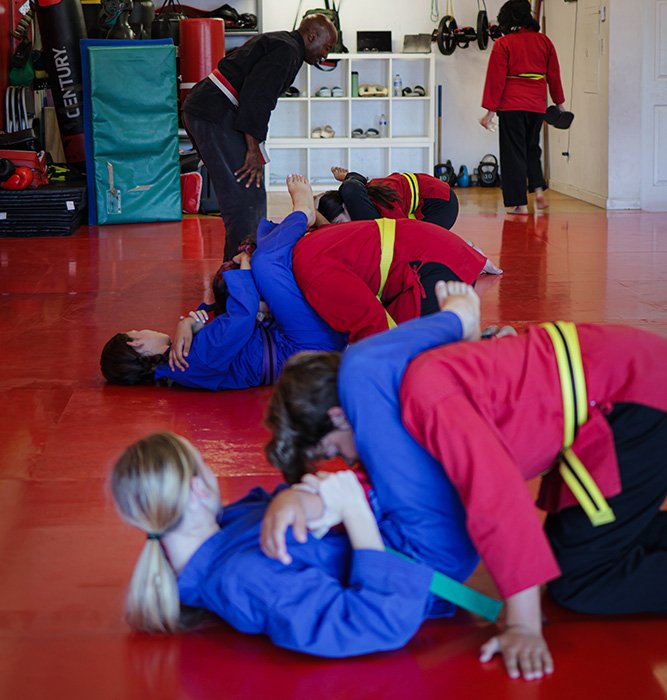
Each hour-long session burns approximately 720 calories—surpassing most traditional sports. You’ll observe marked improvements in your child’s balance, coordination, and reaction time as they master precise stances and quick directional changes. Regular practice strengthens the cardiovascular system, increases muscle mass, and reduces body fat percentage.
These physical adaptations transfer directly to other sports and daily activities. Your young martial artist will gain motor skills, joint mobility, and neuromuscular control that support lifelong health and injury prevention. The core includes abdominals, erector spinae, gluteals, and the diaphragm, which work together to stabilize the body during explosive karate techniques.
Cognitive Development and Academic Performance Enhancement
How does striking a punching bag translate to better math scores? Youth karate classes develop critical executive functions that directly enhance academic performance. Your child’s brain undergoes neuroplastic changes through repeated practice, strengthening prefrontal cortex regions responsible for attention and cognitive control.
Memorizing kata sequences builds working memory capacity, while sparring improves conflict monitoring and response inhibition. These skills transfer to classroom settings, enabling better focus during lectures and faster processing speed during tests.
Research confirms that students practicing martial arts demonstrate supehttps://blog.jamesmartialartsacademy.com/wp-content/uploads/2024/06/woman-traveling-in-france-2023-11-27-05-16-47-utc_Easy-Resize.com_.jpgr cognitive flexibility—essential for switching between math problems and reading assignments efficiently. They show improved attention regulation, filtering distractions more effectively than non-practitioners.
The disciplined mental coordination required in karate training reduces cognitive fatigue, maintaining mental clarity throughout demanding school days. Studies demonstrate that children participating in karate show improved performance in speed-based tasks, explosive power assessments, and coordination assessments that support both physical and cognitive development.
Building Character, Confidence, and Social Skills
When you enroll your child in youth karate classes, you’re investing in comprehensive character development that extends far beyond physical techniques. Your child will absorb core values like respect, integrity, and accountability through structured training while simultaneously building authentic self-confidence grounded in measurable skill progression. These classes create a supportive community environment where your child develops essential social skills, learns to respect authority and peers, and gains the emotional strength needed to navigate challenges both inside and outside the dojo. Through consistent practice, your child will develop improved focus that translates directly into better academic performance.
Core Values Through Training
Because martial arts training extends far beyond physical techniques, youth karate classes serve as structured environments where children develop essential social skills that shape their interactions for years to come.
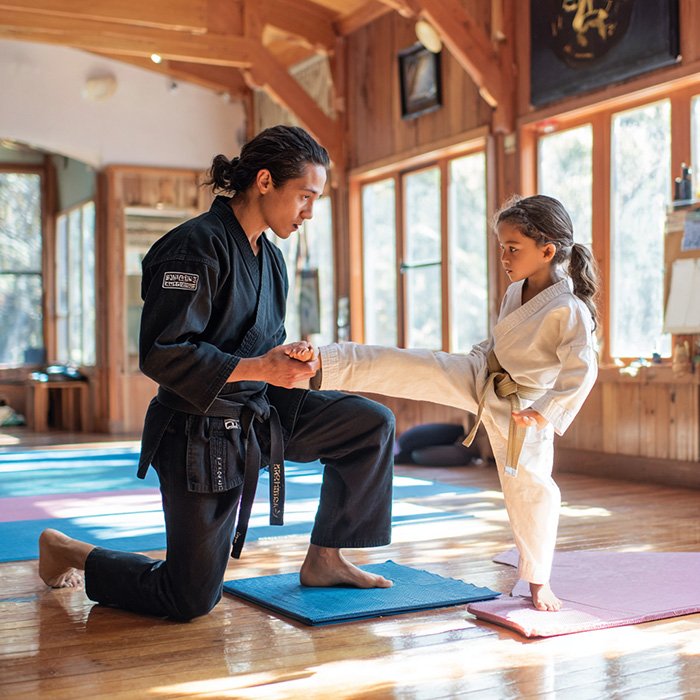
Your child learns respect through foundational rituals—bowing, greetings, and proper etiquette with instructors and peers. Partner drills require clear communication, both verbal and non-verbal, as students coordinate timing and provide constructive feedback. They’ll develop empathy by recognizing classmates’ challenges and strengths during collaborative exercises.
Teamwork emerges naturally through pair work and group activities, where shared goals drive collective achievement. As students progress, they gain leadership opportunities by assisting newer members and demonstrating techniques. Advanced students often mentor newer ones, instilling a sense of responsibility that benefits them socially and emotionally. This combination of respect, communication, cooperation, and confidence-building creates socially competent individuals who navigate academic, family, and community settings with improved interpersonal effectiveness and emotional intelligence.
Self-Esteem and Personal Growth
Children who step onto the mat often carry self-doubt, but systematic karate training can deliver measurable improvements in self-esteem within weeks. Research confirms that twice-weekly sessions over 10 weeks significantly enhance global self-esteem and physical self-perception in young practitioners.
Your child’s confidence grows through structured skill mastery and controlled physical achievement. Eight-week programs show measurable increases in self-confidence, particularly among sedentary teenagers. This improvement stems from progressive belt advancement and technique refinement.
Long-term participation yields stronger benefits. Adolescents who train consistently over months develop enhanced exercise self-efficacy and resilient self-worth. Male participants show particularly persistent gains. Studies show improvements across most physical self-perception domains for participants engaged in structured karate programs.
Karate’s respect-based culture creates protective psychological effects. Higher self-esteem correlates with reduced bullying victimization, while stress levels decrease through regular practice. Your child gains effective coping mechanisms applicable beyond the dojo.
Community Connection and Respect
Beyond individual confidence gains, karate training embeds your child in a structured community built on mutual respect and social responsibility. Your child learns respectful behavior through traditional greetings and expressions of gratitude toward instructors and peers. This consistent practice reinforces courtesy that extends beyond the dojo into academic and social settings.
Partner drills and sparring exercises require genuine cooperation, developing teamwork skills essential for collective success. Your child learns to trust training partners while communicating effectively during group activities. Advanced students often mentor beginners, fostering leadership abilities and accountability.
The controlled environment teaches constructive conflict resolution through regulated sparring. Your child develops emotional regulation skills while learning to manage disagreements respectfully. The dojo serves as a community hub where your child can form lasting bonds with peers who share similar goals and values. This inclusive community reduces social isolation, helping your child build meaningful friendships across diverse backgrounds while strengthening empathy and social competence.
Supporting Children With ADHD and Behavioral Challenges
If your child struggles with ADHD or behavioral challenges, youth karate classes offer evidence-based support through structured physical activity. The martial arts environment directly targets core ADHD symptoms by improving focus, self-control, and attention span through repetitive drills and mindfulness practices. You’ll find that the discipline and routine inherent in karate training create an external framework that helps children manage impulsivity and stay mentally engaged. As children progressively see their skills improve and reach new levels, they experience increased self-confidence that provides a much-needed boost for kids with ADHD.
ADHD Symptom Management Benefits
Parents seeking out effective interventions for ADHD often discover that karate provides the structured support their children need to manage symptoms more successfully. The martial arts environment emphasizes self-discipline and respect, teaching your child to wait for instructor cues—a practice that directly builds underdeveloped self-control skills. Through controlled breathing, meditation, and choreographed kata movements, your child develops enhanced impulse control and emotional regulation.
Research demonstrates that karate training improves executive functioning, working memory, and attention span. The physical activity stimulates brain regions responsible for focus while increasing dopamine and norepinephrine levels, which enhance alertness. Complex movements strengthen neural networks, helping your child sustain attention longer. Controlled trials show significant improvements in selective attention and cognitive control, reducing hyperactivity and impulsivity in daily life. Studies indicate that combining karate and medication reduces ADHD symptoms more effectively than medication alone.
Structured Environment Promotes Focus
While many childhood activities offer flexibility and free-form play, karate’s deliberately structured environment creates the external framework your ADHD child’s brain requires to develop internal organization. Each class follows predictable routines—from bowing rituals to specific warm-up sequences—that reduce mental chaos by providing clear expectations your child can anticipate and follow.
This consistency acts as an external organizer supporting cognitive control. Your child learns to wait quietly in line, listen before acting, and execute techniques in the prescribed order. These repeated patterns strengthen neural pathways for impulse regulation and attention maintenance. The practice stimulates the frontal cortex, cerebellum, and limbic system, enhancing the brain’s capacity for self-regulation.
The dojo’s clear rules and frequent reinforcement help your child understand boundaries without confusion. Unlike free-play environments that can overwhelm, karate’s structured progression through skill levels provides measurable milestones, reinforcing order and accomplishment while improving focus.
What to Look for in a Quality Youth Karate Program
Choosing the right youth karate program requires careful evaluation of several critical factors that directly impact your child’s safety, development, and long-term success.
Verify instructors hold proper credentials, professional backgrounds, and current certifications. They must demonstrate clear communication skills with children and parents while maintaining required background checks.
Inspect facilities for cleanliness, well-maintained equipment, adequate safety mats, and proper protective gear. Confirm age-appropriate contact levels and established safety protocols with first-aid preparedness.
Examine the curriculum’s structure, ensuring clear belt progression systems and age-appropriate class divisions. The program should balance technical skill development with fitness integration and life values. A structured progression path with clear ranking systems provides students with measurable goals and supports their ongoing development.
Assess instructor-to-student ratios for adequate supervision. Visit multiple schools, observe classes, and review established reputations before committing to ensure quality instruction and a positive, bullying-free environment.
Getting Started: Finding the Right Class for Your Child
Before enrolling your child in karate, understand that the physical and mental health benefits serve as compelling reasons to begin their martial arts journey. Karate enhances cardiorespiratory fitness, strength, flexibility, and coordination while improving mental focus and emotional regulation.
Assess your child’s age and developmental readiness. Programs accommodate preschoolers through adolescents, with age-appropriate teaching methods ensuring safe, effective learning.
Phttps://blog.jamesmartialartsacademy.com/wp-content/uploads/2024/06/woman-traveling-in-france-2023-11-27-05-16-47-utc_Easy-Resize.com_.jpgritize proximity when locating classes. Facilities near home or school support consistent attendance. Verify the dojo offers beginner-friendly introductory classes, maintains proper safety measures, and employs qualified instructors.
Prepare for initial enrollment by setting realistic goals focused on discipline and confidence rather than competition. Discuss class expectations with your child, emphasizing perseverance and respect. Acquire required gear according to dojo specifications. Your involvement and encouragement will significantly boost your child’s motivation and success.
Conclusion
You’ve explored how karate transforms your child’s physical health, mental focus, and character development. Now it’s time to take action. Research local programs carefully, phttps://blog.jamesmartialartsacademy.com/wp-content/uploads/2024/06/woman-traveling-in-france-2023-11-27-05-16-47-utc_Easy-Resize.com_.jpgritizing qualified instructors who emphasize safety and age-appropriate training. Don’t delay—schedule trial classes at your top choices this week. Watch how instructors interact with students and maintain discipline. Trust your instincts about the environment’s safety. Your child’s martial arts journey starts with one decisive step. Make that commitment today.