Respect and Discipline Unveiling Karate Etiquette
Karate etiquette centers on rei—the art of bowing—which embodies respect, gratitude, and humility essential to martial arts practice. You’ll maintain silence in the dojo, follow instructions promptly, and wear your gi as a symbol of commitment to tradition. When training with partners, you must bow before and after drills while phttps://blog.jamesmartialartsacademy.com/wp-content/uploads/2024/06/woman-traveling-in-france-2023-11-27-05-16-47-utc_Easy-Resize.com_.jpgritizing their safety above all else. These protocols aren’t mere formalities; they’re foundational principles that distinguish karate from simple fighting, transforming physical techniques into a disciplined way of life that cultivates both skill and moral character.
The Sacred Art of Bowing: Understanding Rei in Karate Practice
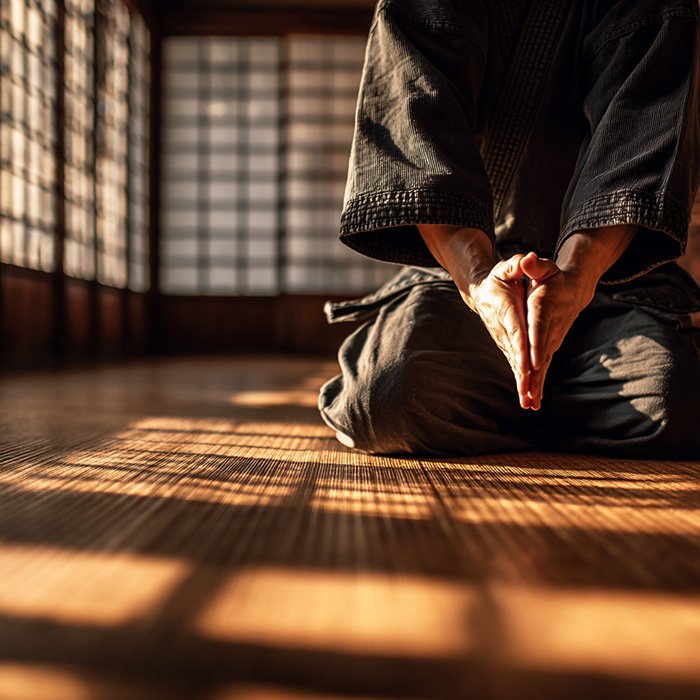
When you step onto the karate dojo floor, you’re entering a space where ancient tradition meets modern practice, and nowhere is this more evident than in the practice of Rei. This Japanese kanji (礼) represents far more than a simple bow—it embodies respect, gratitude, and humility that define martial arts etiquette.
Rei’s origins trace to ceremonial offerings for deities, evolving into a disciplined expression of internal reverence. The original kanji 禮 combines symbols for altar (示) and bountiful crops (豐), representing preparations for religious festivals. When you bow, you’re offering respect without words, demonstrating mental and emotional commitment to the art. Your training begins and ends with this gesture, establishing trust and mutual understanding with instructors and fellow practitioners.
Master Funakoshi recognized Rei as foundational to karate philosophy. Proper execution, including specific stances like Musubi Dachi, prevents training from becoming mindless violence, preserving karate’s educational essence while cultivating awareness and self-control.
Dojo Conduct: Essential Rules for Maintaining Focus and Harmony
From the moment you cross the threshold of a karate dojo, your conduct reflects your commitment to the art’s disciplined foundation. Silence isn’t merely requested—it’s essential for concentration and learning. You’ll avoid unnecessary talking, loud chatter, or disruptive behavior that compromises the integrity of the training environment.
Your attention must remain unwavering throughout instruction. Follow commands promptly and never display disrespectful gestures, such as eye rolling, groaning, or speaking back to instructors. You’ll maintain a sehttps://blog.jamesmartialartsacademy.com/wp-content/uploads/2024/06/woman-traveling-in-france-2023-11-27-05-16-47-utc_Easy-Resize.com_.jpgus, focused attitude that honors the martial arts’ traditions. When the instructor calls Narande, you must line up quickly and quietly to demonstrate your readiness and discipline.
Permission is required before leaving the training area. When entering or exiting, you’ll move quietly to avoid disturbing ongoing sessions. Always acknowledge hierarchy by allowing senior students precedence. Your behavior demonstrates whether you’re genuinely committed to karate’s principles or simply occupying space.
The Karate Gi and Physical Preparation Standards
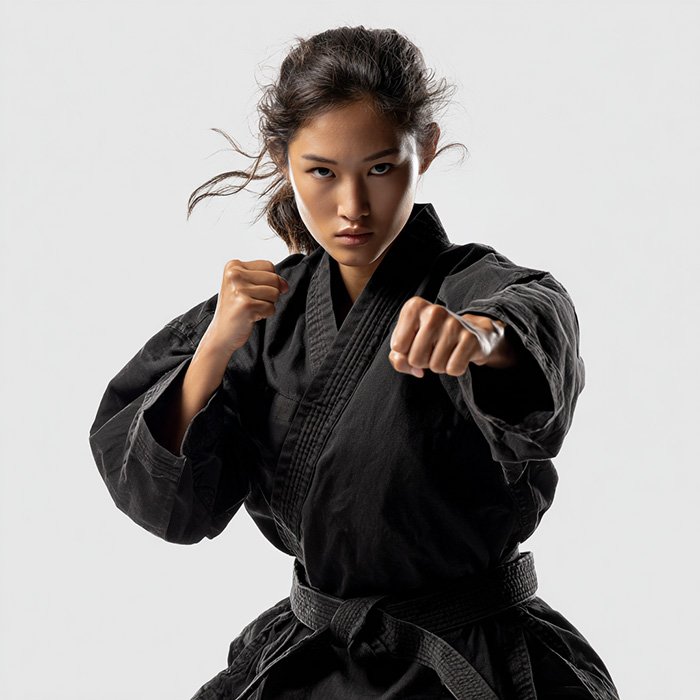
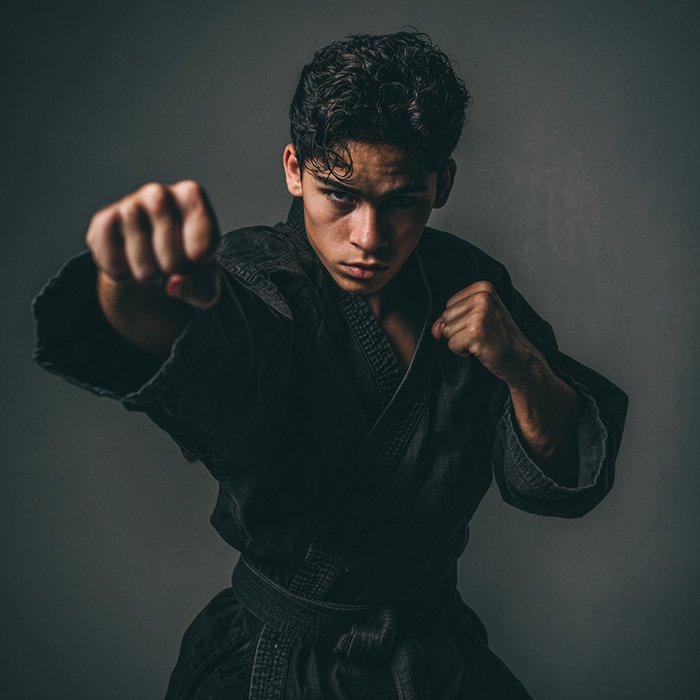
Your karate gi represents far more than simple athletic wear—it’s a visible commitment to tradition, discipline, and technical excellence. Select 100% cotton fabric for durability and breathability during rigorous training. For kata, select a heavyweight material (12–14 oz) that produces crisp lines and retains fabric memory. Kumite practitioners require lightweight, breathable options that enable unrestricted movement and speed.
Competition eligibility demands strict color compliance. The WKF now requires elite athletes to wear both red- and blue-embroidered uniforms, whereas non-elite categories maintain white gi standards. For domestic competitions in 2023, elite athletes may wear white, red, or blue uniforms. Verify your federation’s specific requirements before competition.
Proper fit balances freedom of movement with snugness, preventing wardrobe malfunctions during techniques. Consider your height, weight, and training focus—Japanese cuts feature shorter sleeves, whereas European cuts accommodate greater range of motion. Pre-shrunk options minimize post-purchase adjustments.
Partner Interactions: Building Mutual Respect Through Training
Every karate technique you execute with a partner creates an implicit contract of mutual trust and respect. You’ll demonstrate this through mandatory bowing at the beginning and end of each drill, accompanied by expressions like “Ush!” in traditional dojos. When switching partners, bow to both individuals, acknowledging their contribution to your development.
Your partner’s safety supersedes all other concerns. Communicate clearly about technique, speed, and contact level before drilling. Stop immediately if either person feels unsafe, and adjust intensity to match your partner’s skill level. Sempai bear heightened responsibility for monitoring safety during practice.
Maintain unwavering mental focus throughout partner work. Distracted training leads to improper technique and disrespects your partner’s effort. Check your ego at the door, viewing partners as collaborators rather than opponents. Practice techniques as taught by your instructor, reserving questions or modifications for appropriate moments when the class pauses for discussion.
Core Values That Define the Karate Way of Life
Beyond the physical techniques and partner drills lies a philosophical framework that transforms karate from a mere fighting system into a comprehensive way of life. You’ll discover that respect forms your foundation—manifested through bowing, courteous language, and ethical conduct that extends beyond the dojo into daily interactions.
Discipline governs your mental and physical training, demanding consistent focus and perseverance. It instills self-control, which is essential for mastering techniques, while promoting balance across all life domains.
Integrity and honor require that you act honestly and use martial skills only in legitimate defense. These principles, rooted in bushido code, ensure consistency between your words and actions. Gichin Funakoshi founded Shotokan Karate with the belief that martial arts training should cultivate both physical prowess and moral character.
Humility keeps you open to continuous learning, while perseverance and courage enable you to overcome obstacles and seize opportunities that shape your character.
Conclusion
You’ve learned that karate etiquette isn’t merely tradition—it’s the foundation of your martial arts journey. By mastering rei, adhering to dojo protocols, respecting your gi, and honoring your training partners, you’re cultivating discipline that extends beyond the mat. These aren’t superficial gestures; they’re principles that’ll sharpen your character and technique simultaneously. It is now your responsibility to embody these values consistently. Your commitment to proper etiquette directly reflects your dedication to the art itself.